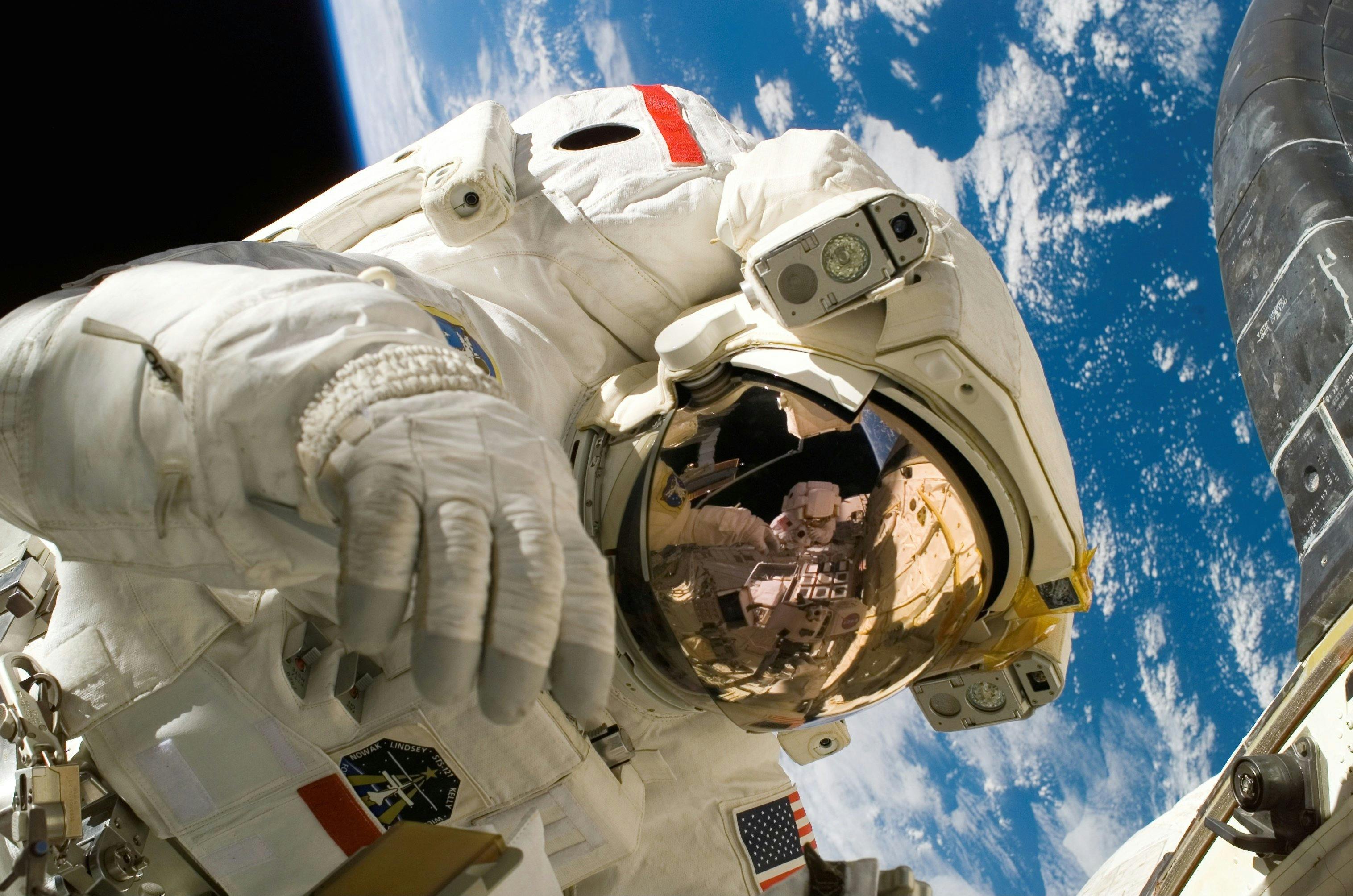
Crew Dragon Freedom landed in the Pacific on Thursday with Jessica Meir, Jack Hathaway, Sophie Adenot and Andrey Fedyaev after 237 days in orbit.
Read Full Story
MIT confirmed the death of Margaret Hamilton, who directed the software engineering team for the Apollo onboard computers. She died on 30 September in Cambridge, Massachusetts, at 90.
Read Full Story
NASA published a Mastcam panorama, taken on 11 August 2026, of sunrise on yardangs along Mount Sharp. Project scientist Ashwin Vasavada said the layer may be hardened wind-blown sediment.
Read Full StoryMIT and news outlets confirmed that Margaret Hamilton, who directed the onboard software for NASA's Apollo missions, died on Sept. 30 in Cambridge, Massachusetts, at 90.
Read Full Story
The Royal Swedish Academy of Sciences awarded the 2026 chemistry Nobel to Kenso Soai and Henri Kagan for work on asymmetric mirror-image molecules used in drug manufacture.
Read Full Story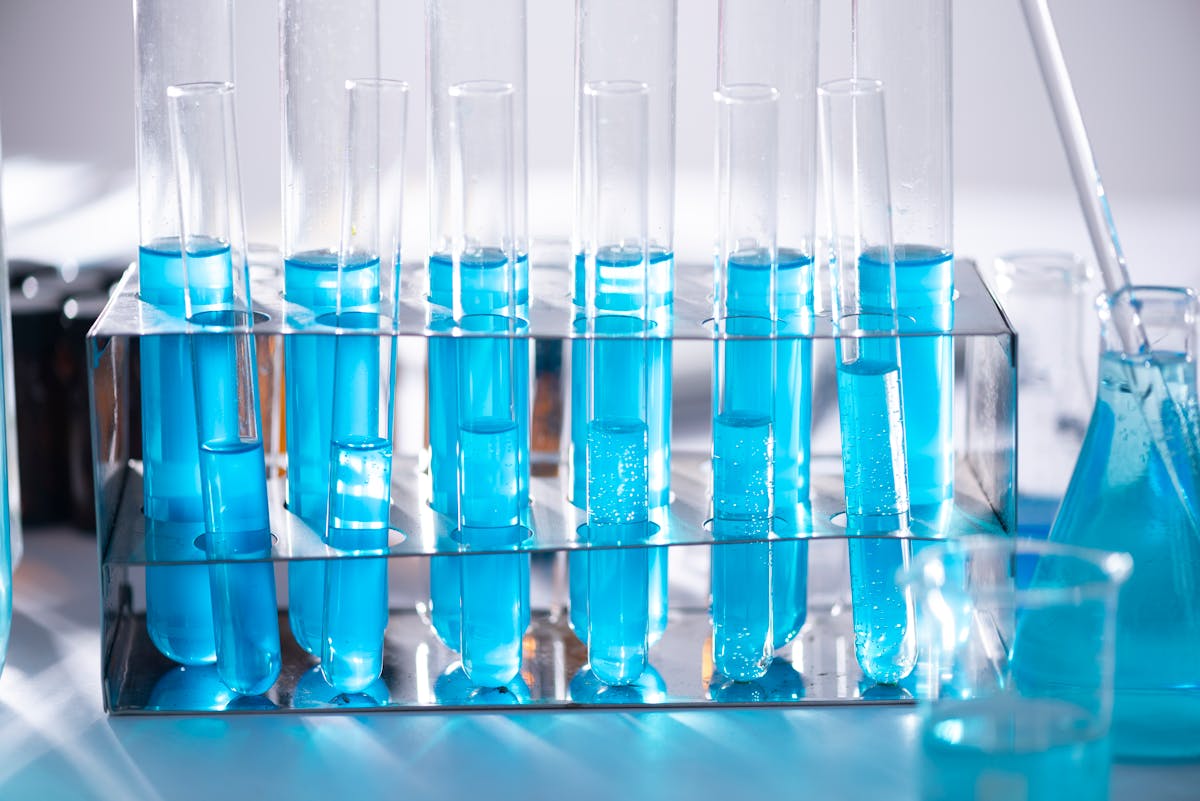
The Royal Swedish Academy of Sciences awarded the chemistry prize to Henri Kagan and Kenso Soai for non-linear effects and autocatalysis in asymmetric organic synthesis.
Read Full Story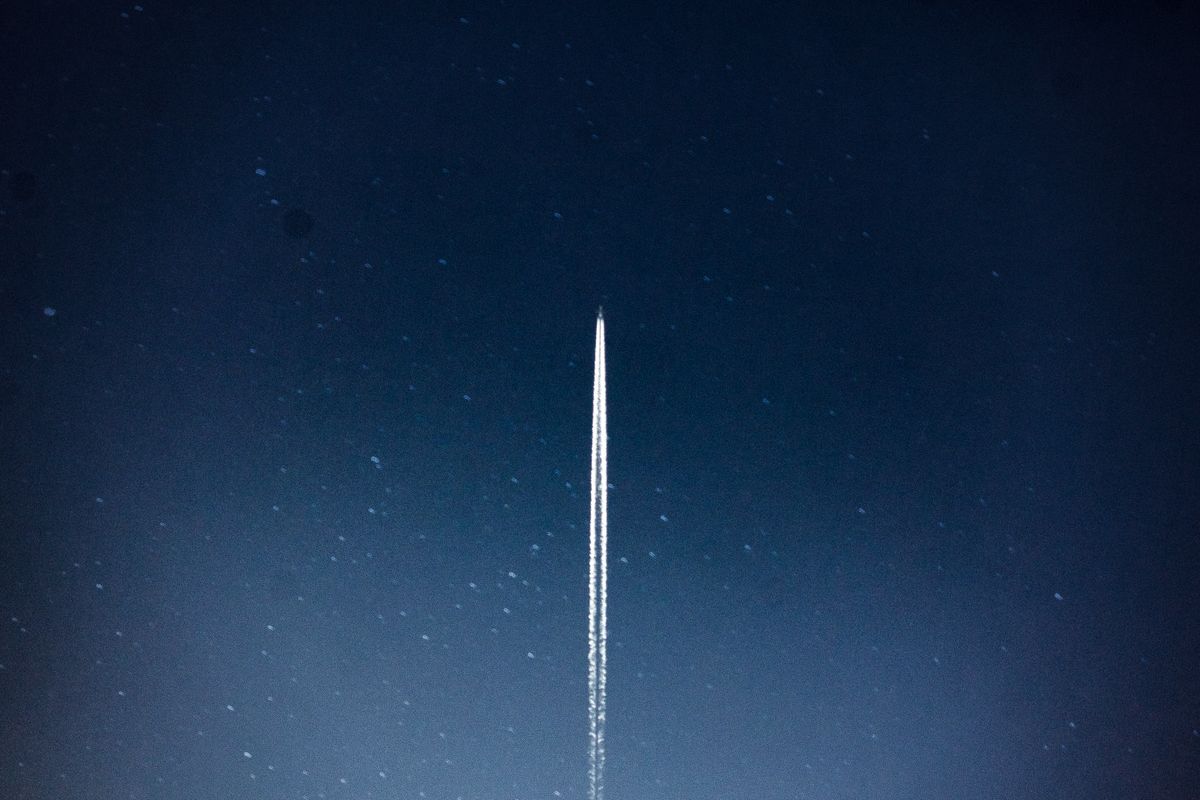
The 200-ton Nuri rocket lifted off from Goheung at 12:25 p.m. and deployed five NEONSAT satellites. Nine of ten CubeSat secondary payloads separated; one startup satellite did not.
Read Full StoryThe Royal Swedish Academy of Sciences awarded the 2026 chemistry prize to French chemist Henri Kagan and Japanese chemist Kenso Soai for asymmetric synthesis used in drug manufacturing.
Read Full Story
The Royal Swedish Academy of Sciences awarded the 2026 chemistry prize to Henri Kagan and Kenso Soai for nonlinear effects and autocatalysis in asymmetric synthesis, work used in making medicines.
Read Full Story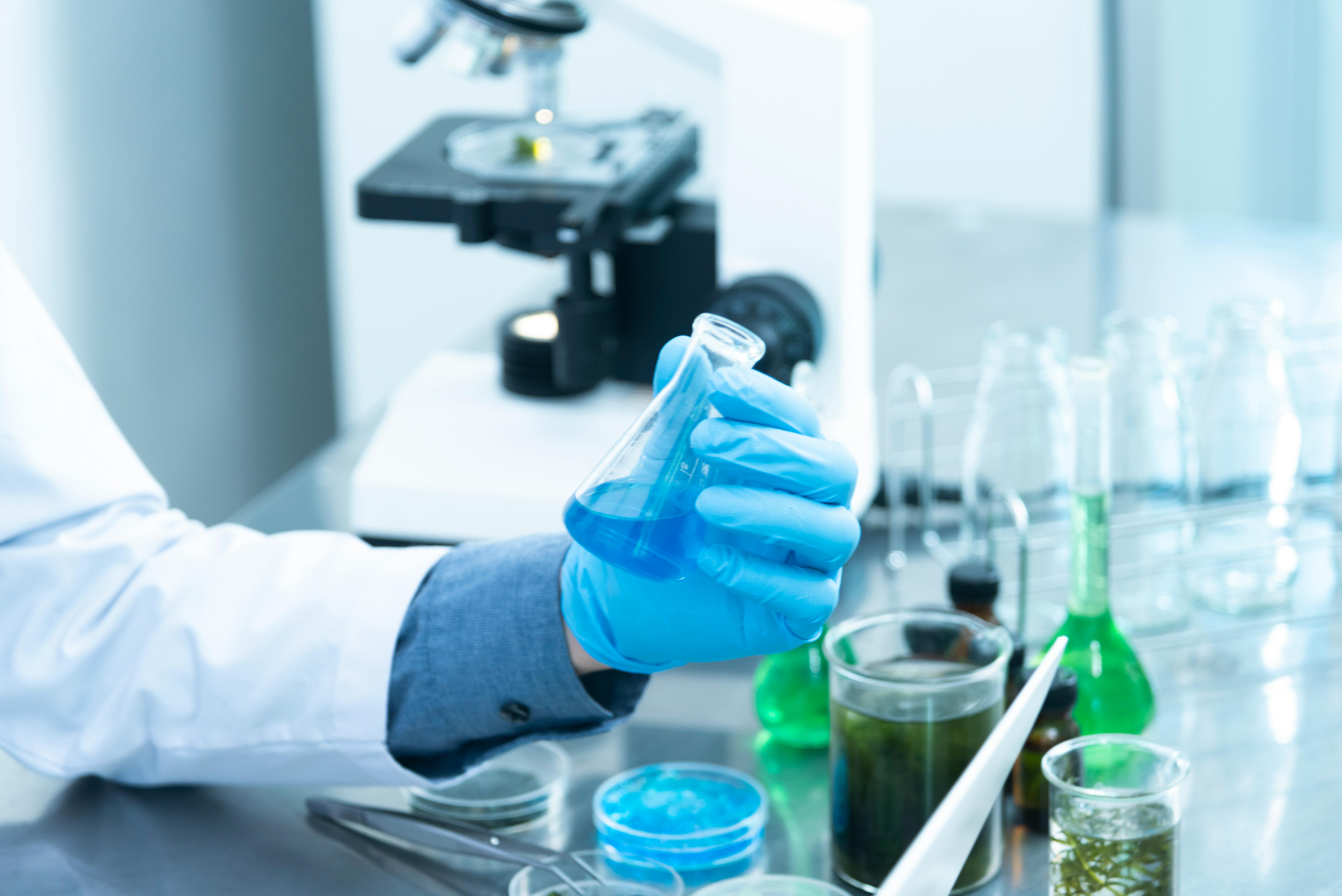
Teams at Tsinghua University and TU Wien published operating thorium-229 nuclear clocks in Nature. They do not yet beat the best atomic clocks, but the researchers say the approach is now shown to work.
Read Full StoryThe Royal Swedish Academy of Sciences awarded the prize for non-linear effects and autocatalysis in asymmetric organic synthesis. The laureates share 12 million kronor.
Read Full Story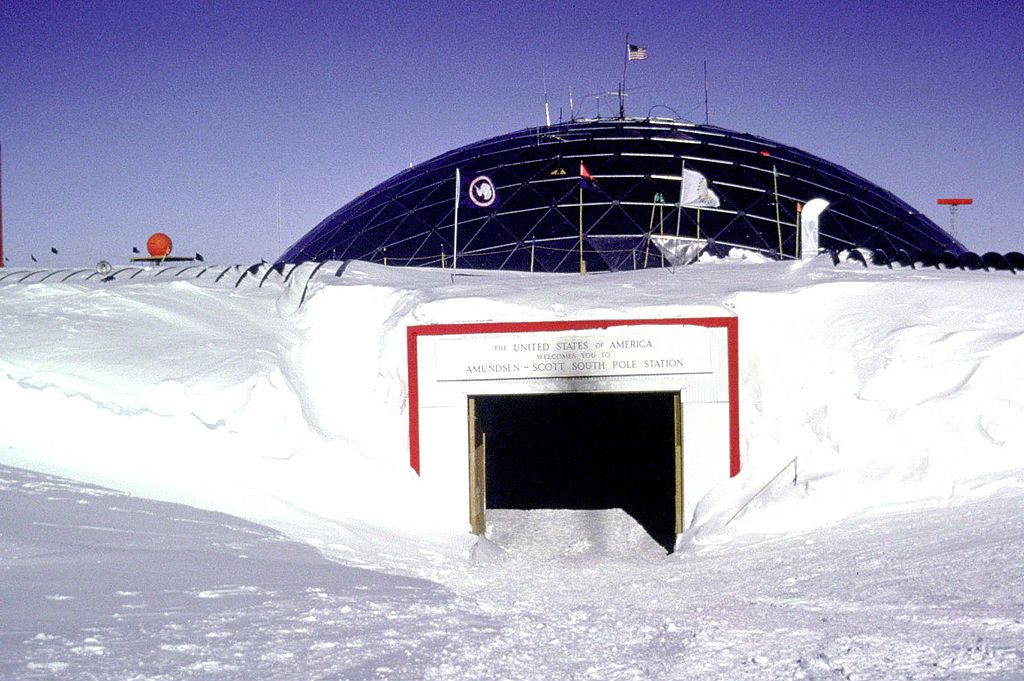
The Royal Swedish Academy of Sciences awarded the 2026 Nobel Prize in Physics to Francis Halzen for IceCube and the discovery of high-energy astrophysical neutrinos.
Read Full Story
The Royal Swedish Academy of Sciences awarded the 2026 physics Nobel to Francis Halzen for IceCube, the South Pole detector that found high-energy astrophysical neutrinos.
Read Full Story
The Royal Swedish Academy of Sciences awarded the physics Nobel to Belgian-American physicist Francis Halzen for IceCube, the South Pole observatory that detected high-energy neutrinos from space.
Read Full Story
The Royal Swedish Academy of Sciences awarded the 2026 physics Nobel to Francis Halzen for leading the IceCube Neutrino Observatory and the detection of high-energy astrophysical neutrinos.
Read Full Story
The Royal Swedish Academy of Sciences awarded the 2026 physics Nobel to Francis Halzen of the University of Wisconsin-Madison for IceCube and the detection of high-energy astrophysical neutrinos.
Read Full Story
The Royal Swedish Academy of Sciences awarded the 2026 Nobel Prize in Physics to Belgian-American physicist Francis Halzen for the IceCube Neutrino Observatory and the detection of high-energy astrophysical neutrinos.
Read Full StoryThe Royal Swedish Academy of Sciences awarded the 2026 physics Nobel to Francis Halzen of the University of Wisconsin–Madison for leading IceCube, the South Pole detector that found high-energy neutrinos from space.
Read Full Story
The Royal Swedish Academy of Sciences awarded the 2026 physics prize to University of Wisconsin-Madison professor Francis Halzen for IceCube and the detection of high-energy cosmic neutrinos.
Read Full StoryThe Royal Swedish Academy of Sciences awarded the 2026 physics Nobel to Francis Halzen for leading IceCube, the South Pole detector that found high-energy neutrinos from beyond the solar system.
Read Full Story
The Royal Swedish Academy of Sciences awarded the 2026 physics Nobel to University of Wisconsin–Madison professor Francis Halzen for leadership of the IceCube Neutrino Observatory and the discovery of high-energy neutrinos from beyond the solar system.
Read Full StoryThe Royal Swedish Academy of Sciences awarded the 2026 physics Nobel to Belgian physicist Francis Halzen of the University of Wisconsin-Madison for leadership of the IceCube Neutrino Observatory and the detection of high-energy astrophysical neutrinos.
Read Full Story
The Nobel Assembly awarded the 2026 physiology or medicine prize to Karl Deisseroth, Peter Hegemann and Georg Nagel for discoveries on light-gated ion channels and optogenetics.
Read Full Story
The Nobel Assembly awarded the 2026 medicine prize to Karl Deisseroth and Germans Peter Hegemann and Georg Nagel for light-gated ion channels and optogenetics.
Read Full Story
The 2026 Nobel Prize in Physiology or Medicine was awarded for discoveries that let scientists switch individual nerve cells on or off with light.
Read Full Story
The Nobel Assembly awarded the 2026 medicine prize to Karl Deisseroth, Peter Hegemann and Georg Nagel for discoveries that turned light-sensitive proteins into a way to control nerve cells.
Read Full StoryThe Nobel Assembly awarded the 2026 physiology or medicine prize to Karl Deisseroth, Peter Hegemann and Georg Nagel for light-gated ion channels and optogenetics, a method that can switch individual nerve cells on or off.
Read Full Story
The Nobel Assembly awarded the 2026 medicine prize to Karl Deisseroth, Peter Hegemann and Georg Nagel for discoveries on light-gated ion channels and optogenetics, sharing 12 million Swedish kronor.
Read Full Story
The Nobel Assembly awarded the 2026 medicine prize to Karl Deisseroth, Peter Hegemann and Georg Nagel for light-gated ion channels and optogenetics.
Read Full StoryThe Nobel Assembly awarded the 2026 medicine prize to Karl Deisseroth, Peter Hegemann and Georg Nagel for light-gated ion channels and optogenetics.
Read Full Story