

Alcohol use halves cancer immunotherapy's effectiveness in mice, UNC study finds
A University of North Carolina study found regular alcohol use cut anti-PD-1 cancer immunotherapy's effectiveness by about half in mice, and linked heavier drinking to poorer survival in patients.
Story So Far
What happened
Regular alcohol use cut the effectiveness of a widely used form of cancer immunotherapy by about half in mice, researchers at the University of North Carolina at Chapel Hill have found, and heavier drinking was linked to poorer survival in patients receiving the same treatment. The study, by Kristen Gilley and colleagues, was published in Science Signaling on November 17.
Why it matters
Drinking is common among people with cancer — a National Institutes of Health study of more than 15,000 patients found 76.4 percent drink alcohol — so a factor that halves the benefit of immune checkpoint drugs could affect a large share of patients, and doctors may need to weigh alcohol use when planning treatment.
What we know
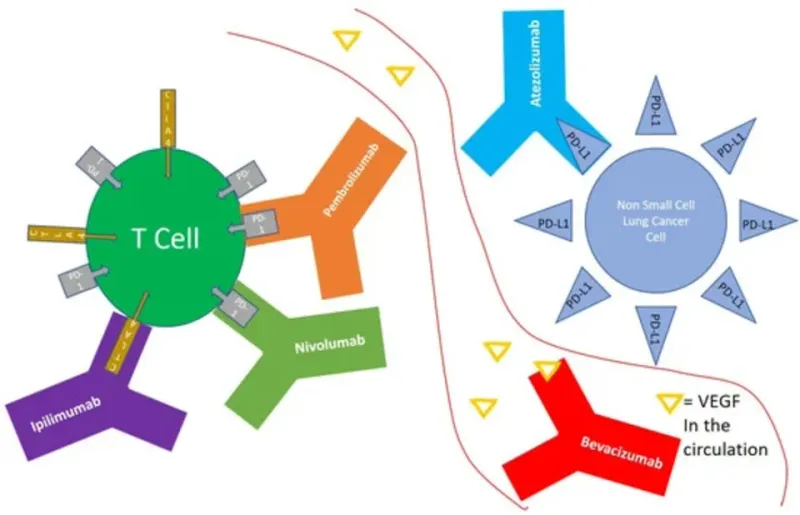
In mouse models of lung and bladder cancer, moderate-to-heavy ethanol intake, equivalent to three to six drinks a day in a person, reduced the effectiveness of anti-PD-1 therapy by roughly 50 percent and raised the risk of tumours returning. In the lung model, immunotherapy raised median survival from about 30 days to 86 days in mice given no alcohol, but only to about 58 days in alcohol-exposed mice. In the bladder model, survival was 88.9 percent in control mice and under 30 percent in alcohol-exposed mice. Alcohol reduced the number of tumour-killing T cells entering tumours and raised levels of TIGIT, a second inhibitory receptor; blocking TIGIT with antibodies restored the treatment's effect. A retrospective look at UNC patients treated with nivolumab or pembrolizumab between 2014 and 2018 found people reporting eight or more drinks a week had poorer survival after starting immunotherapy.
What remains unclear
The patient findings were less definitive for bladder cancer, melanoma and head and neck cancer, where alcohol-use reporting was too limited, and the work does not yet show whether the same effect holds for other cancer therapies.
What's next
The authors say recording patients' alcohol use in cancer databases could clarify its effect on other treatments, and co-targeting TIGIT is a possible avenue for restoring immunotherapy's benefit in people who drink.
How we know?
The findings come from the published paper in Science Signaling, whose abstract reports the 50 percent efficacy loss and the TIGIT mechanism, and from the patient cohort analysis it contains. MedicalXpress, ecancer and OncoDaily reported the same results from the paper.
Primary sources
Original reporting
Independent corroboration
Verification notes
- Confirmed: the roughly 50 percent reduction in immunotherapy efficacy in mice and the TIGIT mechanism, against the paper's published abstract.
- Reported: the patient-cohort survival figures, as reported from the paper by ecancer and MedicalXpress.
Keywords
Tags
- alcohol
- cancer
- immunotherapy
- UNC
- TIGIT
- Science Signaling