

Parkinson's protein found in the brain's protective lining, pointing to new drug routes
Researchers in Auckland have found for the first time that the toxic protein behind Parkinson's disease builds up in the meninges, the protective tissues around the brain, where it damages the brain's waste-drainage system.
Story So Far
What happened
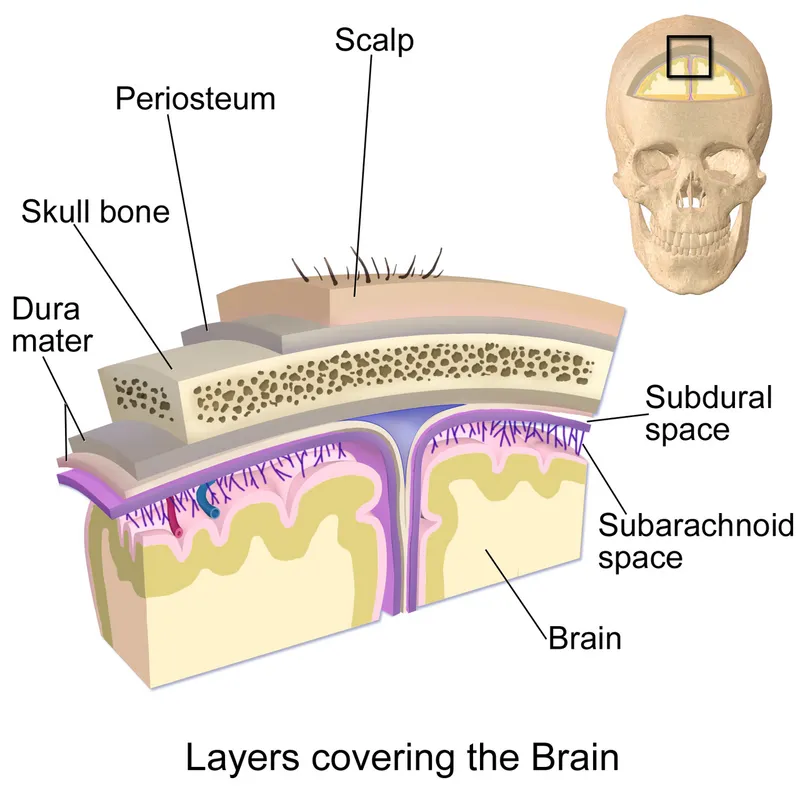
Brain scientists at the University of Auckland have found world-first evidence that alpha-synuclein, the toxic protein that drives Parkinson's disease, builds up in the meninges, the protective tissues that surround the brain. The team showed that the protein triggers an immune response that damages the meningeal lymphatic system, the brain's major drainage network, in a self-reinforcing cycle that may explain why the disease keeps getting worse. The findings were published in the Journal of Experimental Medicine on November 2.
Why it matters
The discovery opens a new route to treatment: drugs that target the meninges or the immune system would not have to cross the blood-brain barrier, the obstacle that blocks most medicines from reaching the brain. Parkinson's affects more than 10 million people worldwide, and there is still no treatment that slows or stops it.
What we know
The researchers examined post-mortem meninges samples from seven people who had severe Parkinson's disease and seven people who had not had the condition; only the Parkinson's samples contained alpha-synuclein clumps. In mouse experiments, meningeal cells made to produce the protein at Parkinson's-like levels saw their lymphatic vessels drain waste fluid at half the rate of control mice after two months. Immune cells called macrophages doubled in number and produced three times more TNF-alpha, an inflammatory molecule, and human lymphatic vessel cells exposed to alpha-synuclein or TNF-alpha in the lab developed gaps that made them leaky. The work drew on the Neurological Foundation Human Brain Bank at the University of Auckland, which has spent four years building one of the few libraries in the world of donated meningeal tissue.
What remains unclear
Whether drugs aimed at the meninges or the immune system can restore the brain's waste clearance in people, and whether the cycle the team found in mice and tissue samples behaves the same way in living patients. The team plans to study mice after they develop Parkinson's symptoms, rather than only the associated brain changes, and to track them for longer.
What's next
The next step, the researchers say, is to test whether new and existing drugs can target the meninges or the immune system to help restore the brain's waste clearance systems.
How we know?
The findings are published in the Journal of Experimental Medicine and described by the University of Auckland, which led the work, and the details — the seven-against-seven tissue comparison, the halved drainage rate in mice and the TNF-alpha findings — are confirmed by New Scientist's reporting of the same study. The claim that drugs targeting the meninges would not need to cross the blood-brain barrier is the researchers' own reasoning about the finding, reported as their view.
Primary sources
Original reporting
Independent corroboration
Verification notes
- Confirmed: The study, published in the Journal of Experimental Medicine, found alpha-synuclein clumps in the meninges of all seven Parkinson's samples and none of the seven controls.
- Reported: The researchers say the finding opens the possibility of drugs that do not have to break through the blood-brain barrier.
Keywords
Tags
- science
- Parkinson's
- brain
- research