
- World
- Breaking

World court to rule today on whether Myanmar committed genocide against the Rohingya
The International Court of Justice delivers judgment on Thursday in The Gambia v. Myanmar, deciding whether Myanmar's 2017 operations against the Rohingya violated the Genocide Convention.
Story So Far
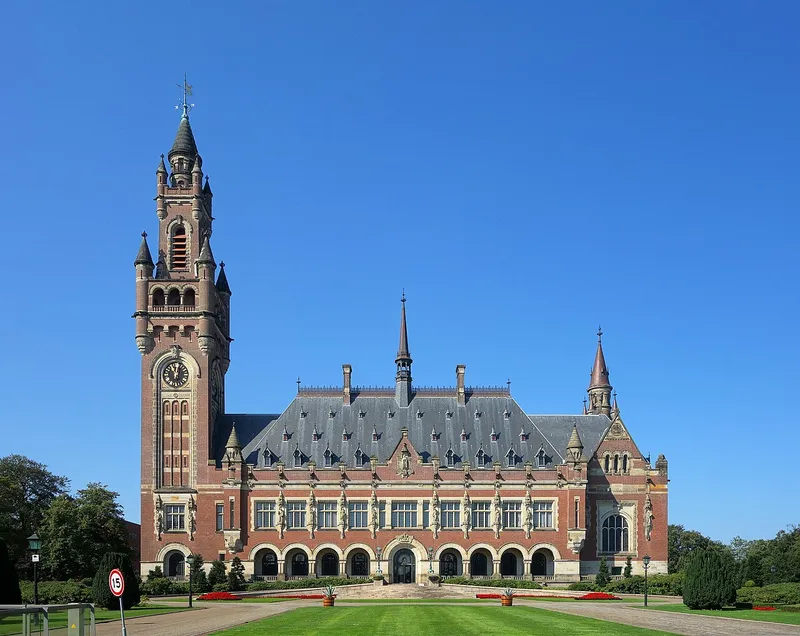
The International Court of Justice will deliver its judgment on Thursday in the case accusing Myanmar of genocide against the Rohingya, the court has announced. The reading begins at 10 a.m. local time (09:00 UTC) at the Peace Palace in The Hague and is expected to last up to 90 minutes, with the court's president, Judge Iwasawa Yuji, reading the decision.
The Gambia brought the case in November 2019, arguing that Myanmar's military operations in Rakhine State in 2017 violated the 1948 Genocide Convention. More than 730,000 Rohingya fled to Bangladesh in the crackdown, and more than a million remain there. Eleven states have intervened in the case, and hearings on the merits ran from January 12 to 29 this year.
The judgment will be final, with no appeal, and it could be the first time the court has found a state responsible for genocide since it began operating in 1946. The court has very limited means of enforcing its decisions; if Myanmar ignores the ruling, The Gambia could ask the UN Security Council to act. Myanmar denies genocide and says its operations were a legitimate counter-terrorism campaign.
How we know?
The date, the time and the reader come from the court's own press release of November 3, and the case history is confirmed by the court's docket and by the previews from Reuters and the Associated Press. What the judgment actually says is not yet known — no outcome has been announced ahead of the reading — and this piece reports the sitting, not a result. One detail to watch is the court's treatment of intent, which has been the main obstacle in earlier genocide cases.
Original reporting
Independent corroboration
Judgment due at 09:00 UTC; court to stream the reading live
Whatever the court decides, the ruling will shape how states are judged under the Genocide Convention, and it is already being read alongside South Africa's separate case against Israel over Gaza. For the Rohingya in Bangladesh's camps, the judgment is a legal finding, not a return home — repatriation, and the question of who governs Rakhine State, remain untouched by it.