
- World
- Breaking

World Court finds Myanmar forces acted with genocidal intent against the Rohingya
The International Court of Justice has found that Myanmar's security forces acted with genocidal intent against the Rohingya, concluding that the only reasonable inference from the 2017 clearance operations was an intention to destroy a substantial part of the group.
Story So Far
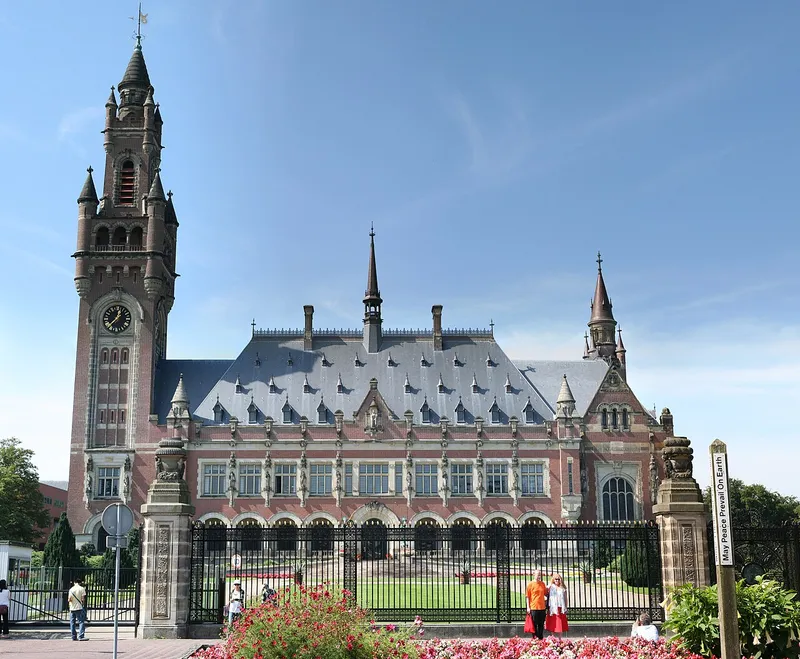
The International Court of Justice has found that Myanmar's security forces acted with genocidal intent against the Rohingya, the court's president said on Thursday as he read a judgment seven years in the making. Judge Yuji Iwasawa told the Peace Palace in The Hague that the only reasonable inference from the evidence was an intention to destroy a substantial part of the Rohingya population of northern Rakhine State.
The court determined that around 10,000 Rohingya were violently killed during the military's 2017 clearance operations, and that about 815,000 people in northern Rakhine were targeted - a group the judges called substantial for the purposes of the Genocide Convention. The judges found that Myanmar's forces killed thousands of civilians, carried out widespread sexual violence and attacked Rohingya as they fled toward Bangladesh.
The case was brought by The Gambia in November 2019, backed by the 57-member Organisation of Islamic Cooperation, over the campaign that drove more than 700,000 Rohingya into Bangladesh. The court heard the merits in January 2026 after rejecting Myanmar's objections to its jurisdiction in 2022, and it had ordered provisional measures in January 2020 requiring Myanmar to prevent genocidal acts. Myanmar has denied committing genocide, saying its forces were responding to attacks by the Arakan Rohingya Salvation Army on police posts in August 2017.
How we know?
The judgment rests on the court's own reading of the evidence, and the judge set out where it stopped short as well as where it went furthest. The court found that the military spread hate speech against the Rohingya in a systematic and coordinated way, portraying them as sub-human, and that restrictions on marriage and family size were coercive measures aimed at slowing births in the group. It also weighed Myanmar's failure to investigate the alleged atrocities and its refusal to give investigators access to evidence and witnesses. On one charge the court was not convinced: it found that Facebook posts by the military sought to encourage violence against the Rohingya, but it was not fully convinced they were made with a specific intent to destroy the group, so it did not find direct and public incitement to genocide. The court's findings were reported live from the hearing by the BBC and Reuters; the formal operative paragraphs of the judgment were still being read when this report was filed.
Original reporting
Independent corroboration
If the operative part confirms the findings, Myanmar would become the first state the World Court has ever held responsible for genocide - the court has ruled on the merits of a genocide case only twice before and has never found a state guilty. The judgment is final and binding, with no right of appeal, though the court has no means of enforcing it. The ruling will be read closely far beyond Myanmar: lawyers in South Africa's genocide case against Israel over the war in Gaza are expected to draw on its treatment of intent, the weight it gave to UN fact-finding, and the relevance of sexual violence in proving a genocidal campaign.
In the refugee camps of Bangladesh, where more than a million Rohingya now live, crowds gathered to watch the reading. Khin Maung, acting president of the United Council of Rohingya, said the community was very optimistic about what the judge had said so far and believed the court would recognise the genocide. A finding of state responsibility does not by itself guarantee the return of refugees, reparations, or prosecutions of individual perpetrators - and the court's judgment, once fully delivered, will set out what, if anything, Myanmar is ordered to do.