

UK expected to cut 2030 electric vehicle target to 60% as PM insists no decision taken
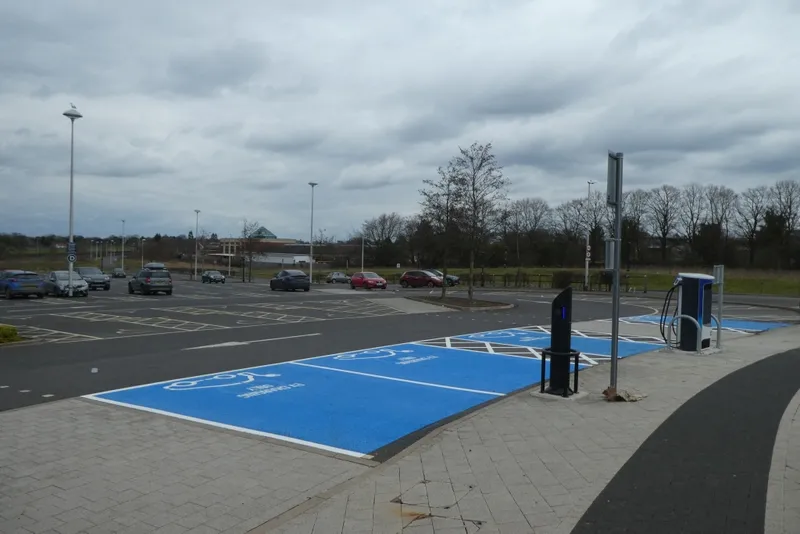
The British government is expected to cut its 2030 electric vehicle sales target from 80 percent of new cars to around 60 percent, according to the Guardian, with a decision due to be finalised after a Downing Street meeting on Wednesday. The move would ease the zero-emission vehicle mandate that has bound carmakers since 2024, and it has split the cabinet, angered green campaigners and drawn a public denial from the prime minister that anything has been decided.
Under the mandate as it stands, each manufacturer must sell a rising share of zero-emission cars each year: 22 percent in 2024, 28 percent in 2025 and 33 percent in 2026, climbing to 80 percent by 2030 and 100 percent by 2035. Carmakers that miss their targets face fines of up to 12,000 pounds per car. The Guardian reported that Louise Haigh, the de facto deputy prime minister, will settle the dispute at Wednesday's meeting and will probably approve a 2030 target of about 60 percent, with the mandate's flexibilities extended until 2034.
The case for easing the rules rests on sales running behind the quotas. The Society of Motor Manufacturers and Traders said last week that battery-electric cars made up 26.6 percent of new registrations so far this year, against the 33 percent target for 2026, and it forecasts 27.2 percent for the full year. Its chief executive, Mike Hawes, has called for substantive reform effective immediately. The government opened a consultation in August with five options, ranging from keeping 80 percent to cutting the 2030 target to 70, 60 or 50 percent.
The 60 percent figure is a reported expectation, not an announced decision, and the government has said so repeatedly. A spokesperson told Reuters the government is united in its commitment to the mandate and that no decisions have been taken, and Prime Minister Andy Burnham said on Monday that the reports were speculation and no decision had been made. Inside Whitehall the split is reported to run between Business Secretary Jonathan Reynolds, said to favour the deepest cut to 50 percent, Transport Secretary Heidi Alexander, said to favour 60 percent, and Foreign Secretary Ed Miliband, reported to be campaigning to keep 80 percent.
The stakes reach beyond car showrooms. Government analysis cited in the reporting expected the mandate to deliver 14 percent of the targeted carbon dioxide reductions between 2028 and 2032, so a weaker target leaves a gap to fill just as Burnham prepares for his first COP climate summit, where he is expected to promote electrification. The charging industry warns that weaker sales undermine the investment case for its networks, while carmakers argue the current quotas force them to discount electric models at a loss. The 2035 target for all new car and van sales to be zero-emission would stay in place, and even at 60 percent Britain would still end sales of petrol- and diesel-only cars in 2030. The European Parliament's environment committee voted on November 4 to weaken the EU's 2035 car target to 87.5 percent, a separate decision that has strengthened the carmakers' lobbying case.