

IAEA chief welcomes South Korea's nonproliferation pledge as nuclear submarine plans advance
IAEA Director General Rafael Grossi welcomed South Korea's commitment to its nuclear nonproliferation obligations as Seoul pursues nuclear-powered submarines, after talks with Vice Foreign Minister Jeong Yeon-doo.
Story So Far
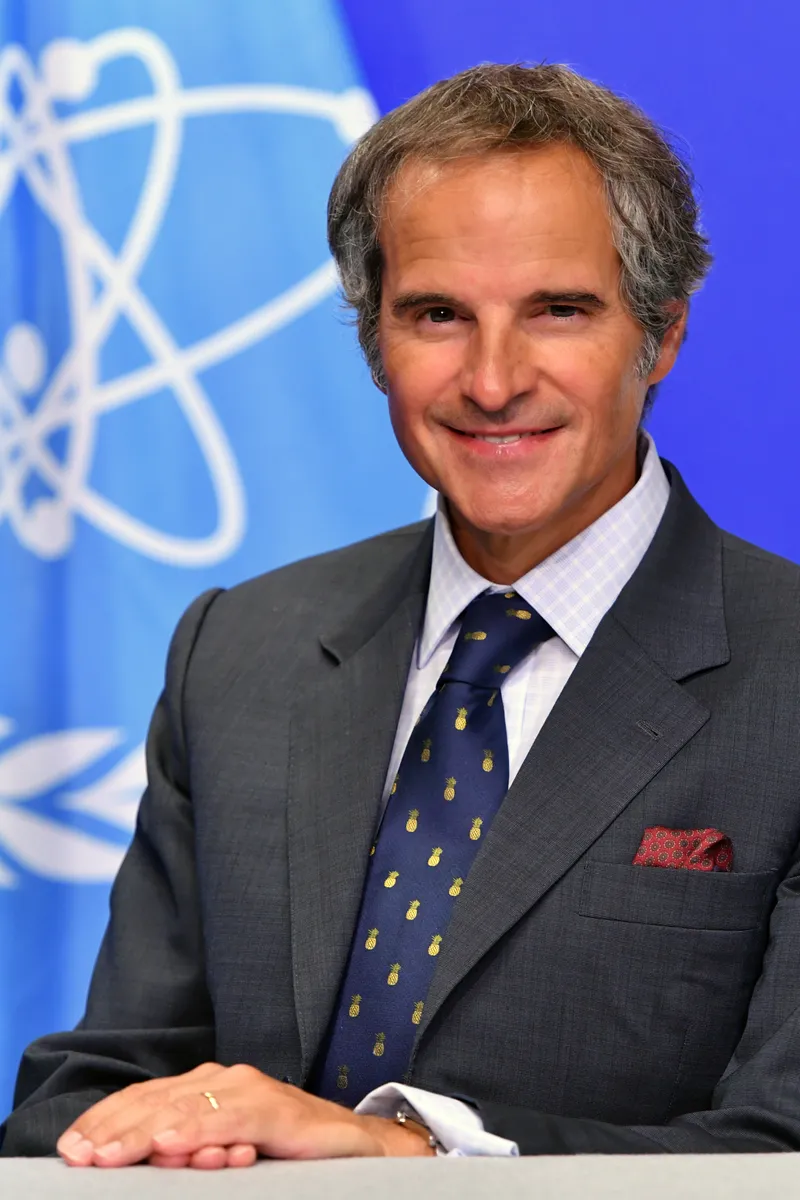
The head of the world's nuclear watchdog has publicly welcomed South Korea's pledge to stay inside its nonproliferation obligations while it builds nuclear-powered submarines. Rafael Grossi, director general of the International Atomic Energy Agency, posted the message after talks with Jeong Yeon-doo, South Korea's vice foreign minister for strategy and intelligence.
Grossi wrote that he welcomed the Republic of Korea's strong commitment to working closely with the IAEA and upholding its non-proliferation obligations, including in the context of its plans for naval nuclear propulsion. He also congratulated South Korea on hosting the International Ministerial Conference on Nuclear Power last month, and thanked Seoul for its continued support of the agency.
Seoul unveiled the Jang Bogo N project in May, aiming to develop and build nuclear-propelled, conventionally armed attack submarines at home. The first vessel is to be launched in the mid-2030s and fielded after the late 2030s, under an agreement with the United States. South Korea plans to procure small modular reactors directly for the vessels' propulsion, and has secured US consent to build the submarines powered by high-assay, low-enriched uranium enriched to below 20 percent.
Grossi's own words, posted on X after the meeting, are the source of the welcome, and Yonhap's account quotes them directly. The background checks out against the agency's own record: Seoul formally notified the IAEA in September that it would seek an arrangement under Article 14 of its comprehensive safeguards agreement, and Grossi said then that a solid agreement should ease proliferation concerns. What the post does not settle is the fuel question — substantive talks with Washington on how Seoul secures reactor fuel are still open.
The IAEA's blessing matters because the programme needs two things at once: a safeguards arrangement with the agency and fuel from the United States. Seoul's argument is that conventionally armed nuclear submarines are compatible with its obligations under the Non-Proliferation Treaty. The next markers are the Article 14 consultations, which are already under way at expert level, and the fuel talks with Washington.