

EU bans plastic waste exports to non-OECD countries
The European Union's ban on exporting plastic waste to countries outside the OECD took effect on 21 November, cutting off established flows to Malaysia, Indonesia and Vietnam until at least May 2029.
Story So Far
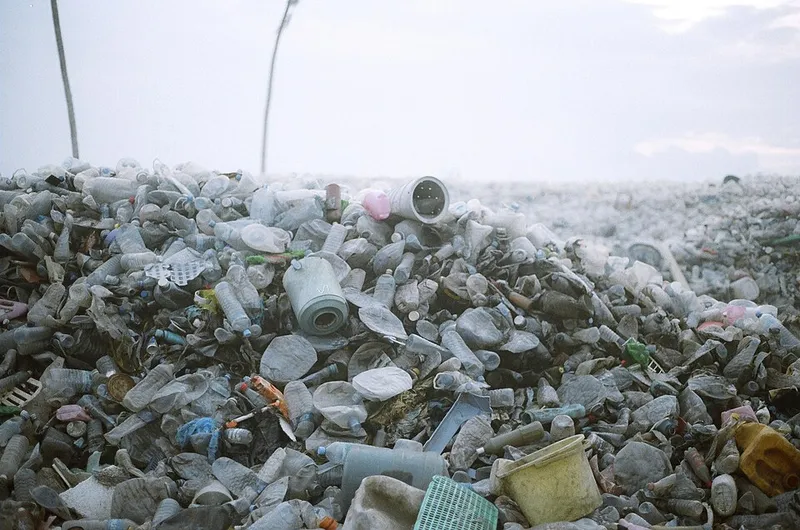
The European Union has banned the export of plastic waste to countries outside the OECD, closing one of the main routes by which Europe disposed of its discarded plastic. The prohibition took effect on 21 November under the bloc's revised Waste Shipment Regulation.
The ban covers plastic waste sent for recycling as well as other plastic waste, including clean, non-hazardous material classified as B3011. It will remain in place until at least 21 May 2029, after which non-OECD countries may apply to receive such waste if they can show they manage it in an environmentally sound way. Exports to OECD countries remain possible under stricter controls. Since May, all plastic-waste exports to third countries have already required prior notification and consent through the EU's digital shipment system.
The change cuts off established flows to Malaysia, Indonesia and Vietnam, which together took more than 600,000 tonnes a year, and EUobserver reports the ban displaces roughly 735,000 tonnes of plastic waste a year in total. Turkey, an OECD member, remains the largest destination, importing around 510,000 tonnes in 2025.
How we know?
The date, the regulation number, Regulation (EU) 2024/1157, and the May 2029 horizon are confirmed across the European Commission's guidance and several independent reports, which agree the measure implements legislation adopted in 2024 rather than a new vote. The tonnage figures come from coverage of the Commission's data and EUobserver's reporting; the Commission itself expects part of the waste to shift to EU recovery capacity and part to OECD destinations.
Original reporting
Independent corroboration
The ban is the sharpest step yet in Europe's effort to stop its waste harming the environment elsewhere, after China took around three-quarters of Europe's plastic waste exports in 2016 and its import ban pushed the trade towards South-East Asia. The test now is capacity: whether the EU can recycle or treat the displaced volume at home or in OECD countries, with independent audits of overseas treatment facilities required from May 2027. Countries that want the trade back after 2029 will have to prove they can handle the waste safely.
Keywords
- EU plastic waste ban
- Waste Shipment Regulation
- plastic waste exports
- non-OECD
- European Commission
- circular economy
Tags
- European Union
- plastic waste
- environment
- recycling
- trade