

Erdoğan urged Trump to hold off new Iran strikes as Turkey pushes seven-point deal
President Erdoğan urged Donald Trump not to launch fresh strikes on Iran, intelligence chief İbrahim Kalın said, as Turkey and other mediators work on a seven-point proposal offering Tehran sanctions relief and access to frozen funds in exchange for nuclear commitments and reopening the Strait of Hormuz.
Story So Far
President Recep Tayyip Erdoğan urged Donald Trump over the weekend not to launch another round of strikes on Iran, and Turkish mediators are working on a seven-point proposal to stop the escalation, intelligence chief İbrahim Kalın said on Monday.
Under the proposal, as Kalın outlined it at a conference in Ankara, Iran would receive sanctions relief and access to frozen funds in exchange for pledging not to acquire nuclear weapons, engaging with the International Atomic Energy Agency toward separate nuclear negotiations, and reopening the Strait of Hormuz to shipping. Kalın said the remaining obstacle was the sequence of implementation. He urged Iran to show greater flexibility and warned that new US strikes could follow within days without an agreement. Qatar is expected to host US Vice President JD Vance and senior Iranian security official Mohsen Rezaei next week.
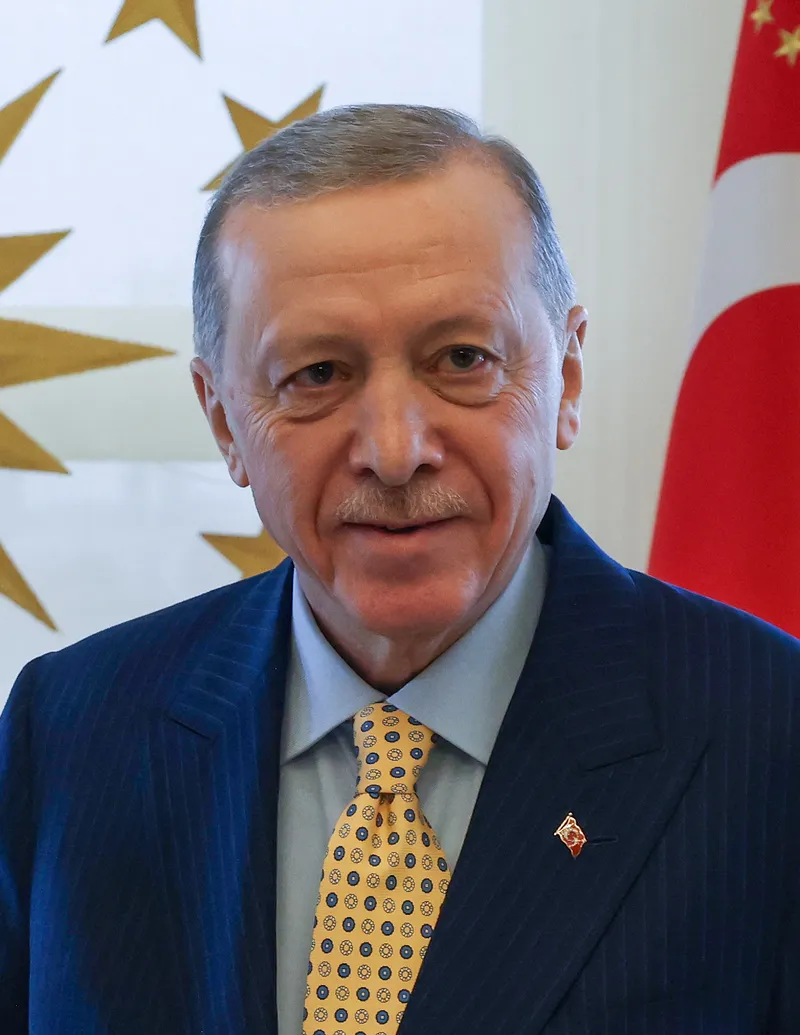
Erdoğan's own account, in remarks released by his office on Monday after his return flight from Azerbaijan, went further than the call itself. 'We do not want a new wave of attacks against Iran, or our region to be dragged into further instability,' he told reporters. 'I discussed these issues with President Trump and explained our concerns. We have conveyed to the parties that we are ready to step in to open the door to peace and diplomacy.' The Turkish presidency's account of the Saturday call, carried by the state-run Anadolu agency, said Erdoğan urged an end to tensions between Washington and Tehran.
Kalın's account comes from his remarks at a conference in Ankara on Monday, reported by Middle East Eye, and Erdoğan's words are from a transcript published by his office. What remains uncertain is whether Washington will take up the plan: an Iranian source familiar with the talks told Middle East Eye there was little hope it would move forward and expected another escalation. The proposal's terms as Kalın described them line up with the seven conditions Iran put to Washington through Qatari mediators last week, as reported by Reuters.
The sequencing question — who moves first — is now the stated obstacle, and Kalın's warning that strikes could resume within days puts a clock on it. The Qatar meeting next week between Vance and Rezaei is the next chance for the plan to be tested; if it fails, the Iranian source's warning of retaliation against US bases in the region is the risk both sides are weighing. For Turkey, which sits between the two, the mediation is also a bid to keep a war off its borders. Erdoğan said the price of war falls on countries across Europe and Asia, not only the combatants, and he is expected to host regional leaders in Antalya on the sidelines of the COP31 climate summit.
The diplomatic push follows renewed US strikes on Iran's Qeshm Island in the Strait of Hormuz. Trump confirmed on Friday that American forces had targeted Iranian air defences on the island, even as negotiations continued. The war began on 28 February with US-Israeli strikes on Iran, which retaliated across the region, and Turkey has kept contact with both Washington and Tehran since. Foreign Minister Hakan Fidan discussed negotiations between Tehran and Washington with his Iranian counterpart in a telephone call on 5 November.