

Brazil approves fossil-fuel transition roadmap and five energy measures
Brazil's National Energy Policy Council approved guidelines for a national roadmap to cut fossil-fuel dependence, plus the National Energy Transition Plan and four other measures.
Story So Far
Brazil's government has approved guidelines for a national roadmap to reduce the country's dependence on fossil fuels, alongside a broader package of energy-transition measures agreed on Friday.
A resolution by the National Energy Policy Council (CNPE) sets 18 guidelines for the roadmap and tasks an interministerial working group, coordinated by the Ministry of Mines and Energy, with drafting it within 270 days of its members being appointed, with a possible 90-day extension. The council also approved the National Energy Transition Plan, known as Plante, an electromobility strategy, a national energy data strategy and new safeguards for the cooking-gas market.
The move comes from a country that pumps roughly 4 million barrels of oil a day and is expanding production in its pre-salt fields and the Equatorial Margin. Renewables already supplied 49.5 percent of Brazil's total energy matrix in 2025, against a global average of 14.5 percent in 2023, and more than 80 percent of its electricity, according to the 2026 National Energy Balance.
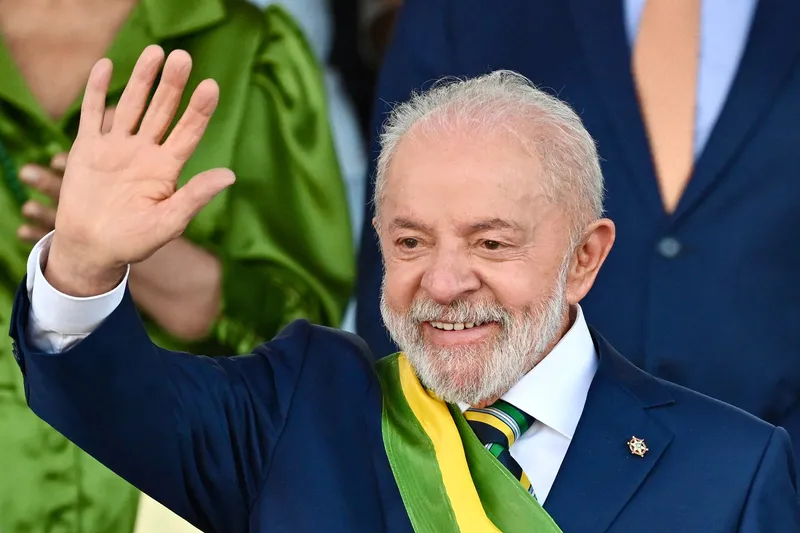
The CNPE decisions were announced by the presidential office after a council meeting attended by President Luiz Inacio Lula da Silva and chaired by Mines and Energy Minister Alexandre Silveira, and the resolution was published on Friday. What the package does not do matters as much as what it does: the resolution sets no production ceiling and no exit date for oil, gas or coal. It is a timetable and a set of policy questions, not a binding decline path. Brazil's COP30 presidency will present an international roadmap at COP31 in Antalya, and the national roadmap is targeted for conclusion in 2027. Lula's own words at the meeting framed the ambition: "What is important is that Brazil does not speak only in theory. Brazil puts forward proposals."
The test of the roadmap will be whether a country that earns heavily from oil can plan its way out of dependence on it without giving up the revenue. For now the government has bought itself a process, a working group, a 270-day clock and a presentation slot at COP31, while keeping its options open on production. The first real signal will come when the working group's members are named and the draft begins to take shape.