

Aravax's peanut allergy therapy PVX108 meets Phase 2 goal in children, raising tolerated dose
Aravax said its monthly peanut allergy immunotherapy PVX108 met its Phase 2 primary endpoint in children aged 4 to 11, more than doubling the tolerated dose of peanut against placebo with no treatment-related serious adverse events.
Story So Far
A monthly injection designed to retrain the immune system has helped children with peanut allergy tolerate far more peanut than before, its developer Aravax said on Thursday, announcing positive results from a Phase 2 trial.
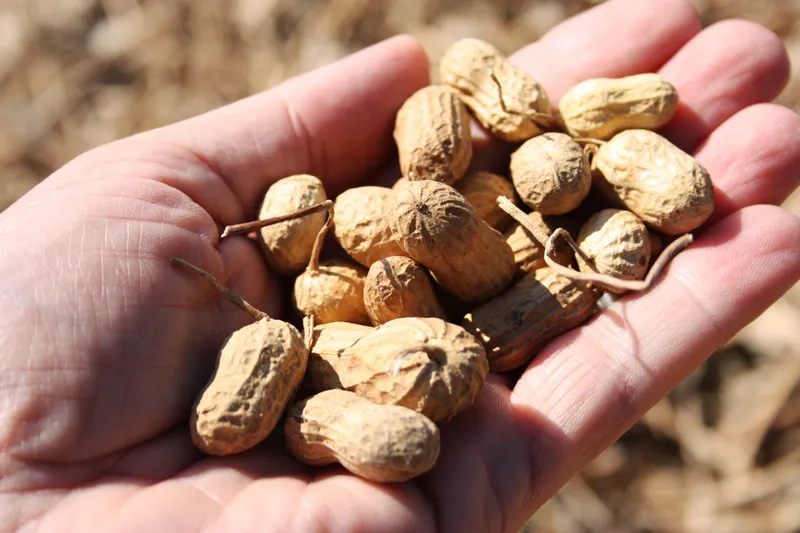
In the trial, children aged 4 to 11 given the higher of two doses of PVX108 increased the amount of peanut they could tolerate 2.4-fold over 12 months, against 1.2-fold for those on placebo, meeting the study's primary goal. At the end of the year, 39.4% of the children on the higher dose tolerated a cumulative dose of at least 443 mg of peanut protein, roughly a peanut and a half, compared with 16.7% on placebo. The children also had less severe reactions when challenged with peanut, and reported that the allergy weighed less heavily on them emotionally.
The study, run at 14 sites in the United States and Australia, enrolled 71 children in the main group and 24 adolescents in a pilot safety group. Almost all the younger children — 68 of 71 — completed the year of treatment and the final food challenge, and none left the study because of the treatment. No treatment-related allergic reactions, including anaphylaxis, and no treatment-related serious adverse events were reported. The benefit was still visible six months after treatment stopped, and 87% of those who finished chose to continue into a year-long extension study.
These are the company's own topline figures, released before the full data have been presented or peer-reviewed; the detailed results go to the American College of Allergy, Asthma and Immunology meeting in Phoenix on 14 November. The numbers that matter are the ones with a comparison attached: the 2.4-fold rise against placebo's 1.2-fold, and the 39.4% against 16.7%. The durability claim rests on a food challenge six months after treatment, not on children eating peanut freely at home.
Peanut allergy is one of the few conditions where the treatment has long been avoidance, and avoidance fails often enough to send children to hospital. A monthly injection that raises the tolerated dose — rather than asking families to eat peanut every day, as existing oral therapies do — would change the shape of that bargain, if the larger trials now being planned confirm what this small one found. The next evidence arrives in Phoenix on Saturday.
Aravax's chief executive, Pascal Hickey, said the results give the company "a very solid foundation" for its planned clinical programme. The therapy has fast-track status from the US Food and Drug Administration, and the trial's lead investigator, Brian Vickery of Children's Healthcare of Atlanta, said the data were "compelling early evidence" — with the emphasis, in his own words, on early.