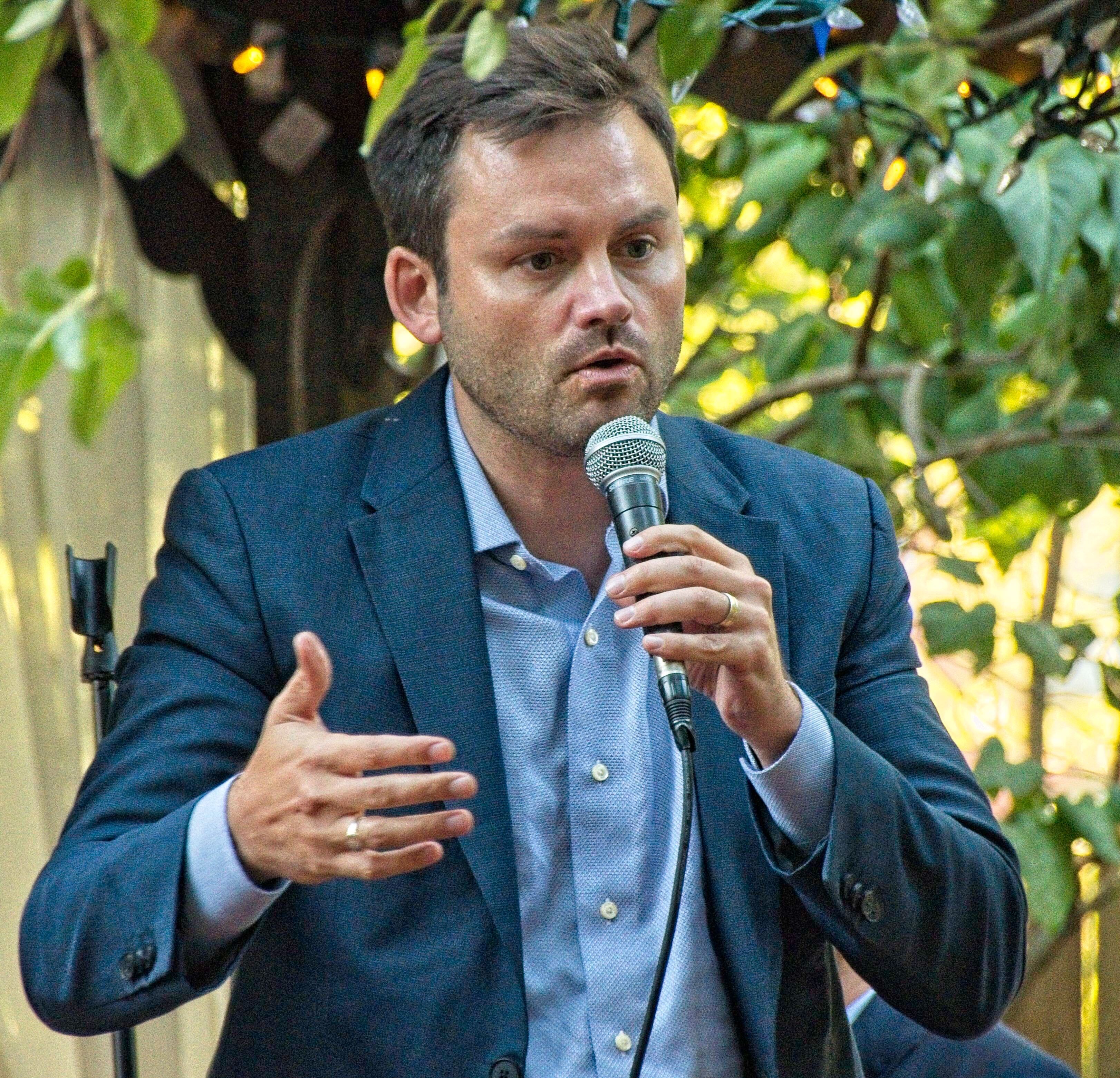
Paul St-Pierre Plamondon’s Parti Québécois returned to power in Quebec short of the 64 seats needed for a majority and has pledged another independence referendum.
The Parti Québécois won Quebec’s provincial election but fell short of a majority, returning the separatist party to power for the first time in more than a decade. The Associated Press, published by CNN, reported the party was on track for nearly 60 seats as counting continued, below the 64 needed in the 127-seat National Assembly.
Leader Paul St-Pierre Plamondon has pledged to hold another referendum on independence from Canada, though he has said he would wait until US President Donald Trump is no longer in office. He acknowledged that voters had denied his party a majority, saying Quebecers had asked the Parti Québécois to work with other parties.
A minority means the PQ will need opposition support to pass legislation and survive confidence votes. Coalition Avenir Québec leader Christine Fréchette conceded defeat and said she took responsibility for a difficult result. CBC News projected a Parti Québécois government while results were still clarifying whether it would be a majority or minority.
The vote ends a period of Coalition Avenir Québec government and reopens the independence question that has shaped Quebec politics for decades. St-Pierre Plamondon has also said Quebec’s geography means it has an interest in working with the rest of Canada even as his party seeks a referendum.
Seat totals were still being finalised in early reporting. The next test is whether a minority PQ government can assemble support for a budget and for any timetable toward a sovereignty vote.
People Sentiments Mixed
- Paul St-Pierre Plamondon said he heard voters asking his party to work with others.
- Christine Fréchette said she took full responsibility for a difficult result.