
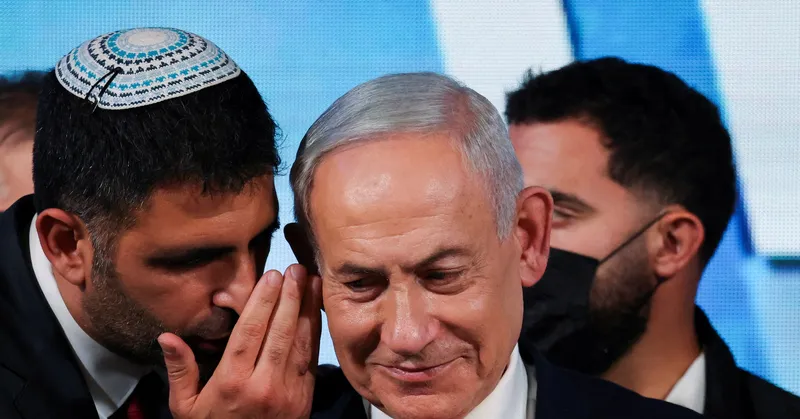
With regular ballots largely counted, projections put Benjamin Netanyahu’s right-wing bloc at 53 seats, Gadi Eisenkot’s opposition bloc at 48, and Arab parties at 19, leaving both main camps short of a 61-seat majority.
Partial results from Israel’s Central Elections Committee after counting of regular ballots put Prime Minister Benjamin Netanyahu’s right-wing, far-right and ultra-Orthodox bloc at 53 seats in the 120-seat Knesset, short of the 61 needed for a majority.
The opposition bloc led by Gadi Eisenkot’s Yashar party stood at 48 seats, while Arab-led parties reached 19, according to projections based on more than 85 percent of votes tallied.
This reverses some exit-poll indications from election night and leaves Netanyahu as likely caretaker during coalition talks; Eisenkot has ruled out governing with Arab parties.
The Central Elections Committee figures and reporting by Times of Israel and Reuters confirm the seat projections from partial counts, with double-envelope ballots still to be counted; final official results are expected later.
The outcome keeps Netanyahu in office for now but without a clear path to a stable coalition, raising the prospect of prolonged negotiations or another election.