
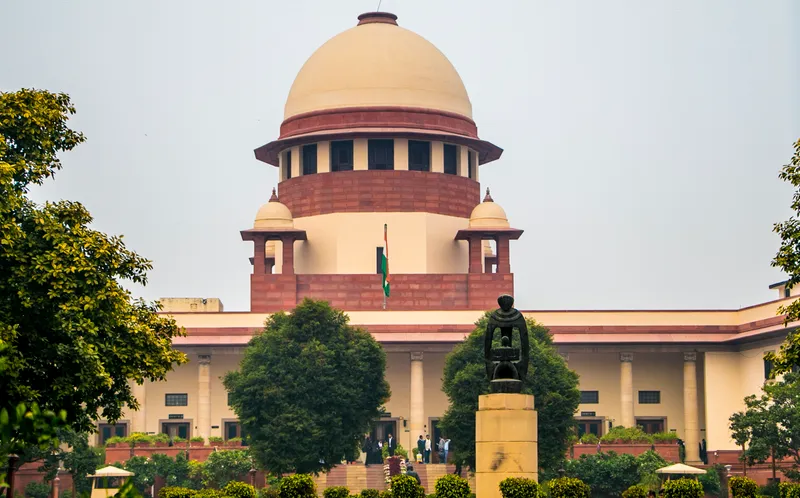
Twenty-one Indian news publishers, through the Digital News Publishers Association, have challenged India's Digital Personal Data Protection law in the Supreme Court, in a confidential filing made on 6 October and first reported on Monday, with a hearing due on Tuesday.
Twenty-one Indian news publishers, through the Digital News Publishers Association (DNPA), have challenged India's Digital Personal Data Protection law in the Supreme Court, according to a confidential filing reviewed by Reuters. The 698-page filing was made on 6 October, is being reported for the first time on Monday, and is due to be heard on Tuesday 27 October.
Members named in the challenge include Ambani's Network18, with seven digital news platforms, Adani's NDTV, the Indian Express and Times Internet. The publishers argue that the law has no written press carve-out like the European Union, Singapore and Britain, despite assurances given in an August meeting with the government.
Their concerns are practical. They argue that a journalist may have to notify and seek prior consent from a person who is the subject of an investigation; that people may withdraw consent and demand erasure, forcing the unpublishing or redaction of stories; and that a federal authority's power to demand information could expose journalistic sources. They seek to have the most contentious provisions quashed. Those provisions are due to take effect from May 2027. Previously only free-speech activists and smaller outlets had challenged the law, and Reuters calls this the most high-profile challenge so far. The DNPA and the media groups did not respond to Reuters, and neither did India's information technology ministry.
The filing itself is confidential and was reviewed by Reuters, not published, so its contents are given here only as Reuters reports them. An opposition allegation that the Ambani and Adani businesses are close to Prime Minister Narendra Modi is reported by Reuters together with the denial: both businesses and the government deny it, and that denial is part of the story. The government's position as reported is that it respects press freedom and that India has a vibrant press ecosystem.
The petitioners put their case in stark terms, arguing in the filing that the law would “render investigative journalism a benign and neutered recorder of events” and constitutes “pre-censorship.” That is the petitioners' attributed argument, not a court finding, and the court has not yet ruled on any of it.
Tuesday's hearing is the first test. The provisions at issue do not take effect until May 2027, so the court has time, but the publishers' argument is that the structure of the law, with consent and erasure rights applied to reporting, would change investigative journalism before a single provision is enforced.