
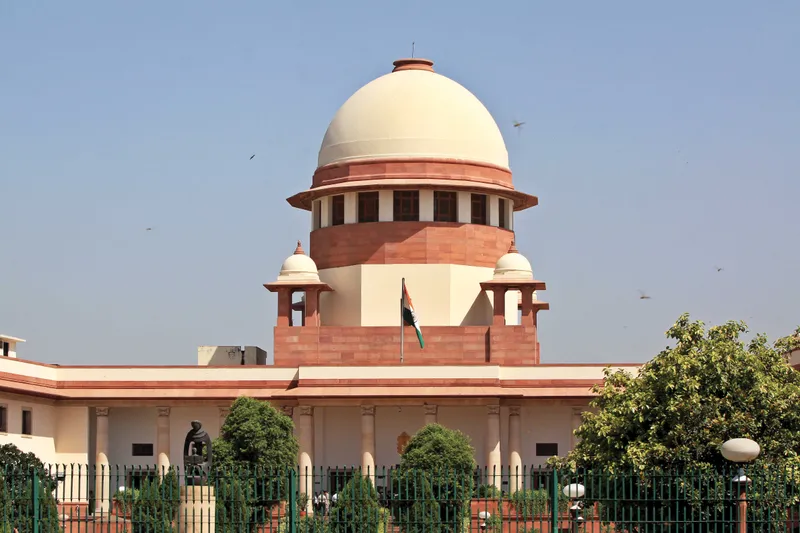
India's Supreme Court issued notice on a plea challenging the Chhattisgarh Dharma Swatantrya Act, 2026, which regulates religious conversions, with a bench led by Chief Justice Surya Kant passing the order on Monday.
India's Supreme Court issued notice on Monday on a plea challenging the Chhattisgarh Dharma Swatantrya Act, 2026, the state law regulating religious conversions. A bench led by Chief Justice Surya Kant passed the order, according to LiveLaw's court alerts.
The petitioner asked the court to restrain Chhattisgarh authorities from interfering with any religious practice of the Christian community, particularly during Christian festivals. Issuing notice is a first step: it asks the other side to respond, and it decides nothing about the law's validity.
The law itself is new. The Chhattisgarh Legislative Assembly passed the Dharma Swatantrya Act in March 2026 and the Governor assented to it in April, replacing the state's earlier conversion law in force since 1968. Its stated aim is to prevent conversions carried out through force, inducement, fraud or misrepresentation, and it requires people intending to convert to declare it to the district magistrate, with public display of details and an official inquiry. Critics argue the declaration and clearance regime burdens voluntary conversions and profiles converts, a contention reported when the law was challenged in the Chhattisgarh High Court earlier in October.
The order is reported by LiveLaw's specialist court coverage, and no second outlet had published the Supreme Court order in the material checked, so the details here rest on that single court report. The background on the Act's passage and its declaration requirements comes from earlier reporting on the High Court challenge, not from Monday's order, and the court has not yet heard the state's response.
The case joins a long-running constitutional argument. The Supreme Court upheld older state conversion laws in 1977 while holding that the right to propagate religion does not include a right to convert another person by force or inducement, and state conversion laws have been challenged in several high courts since. The next step in this case is the state's reply to the notice, which will show whether Chhattisgarh defends the 2026 Act on the same ground as the older laws or on new ones.