
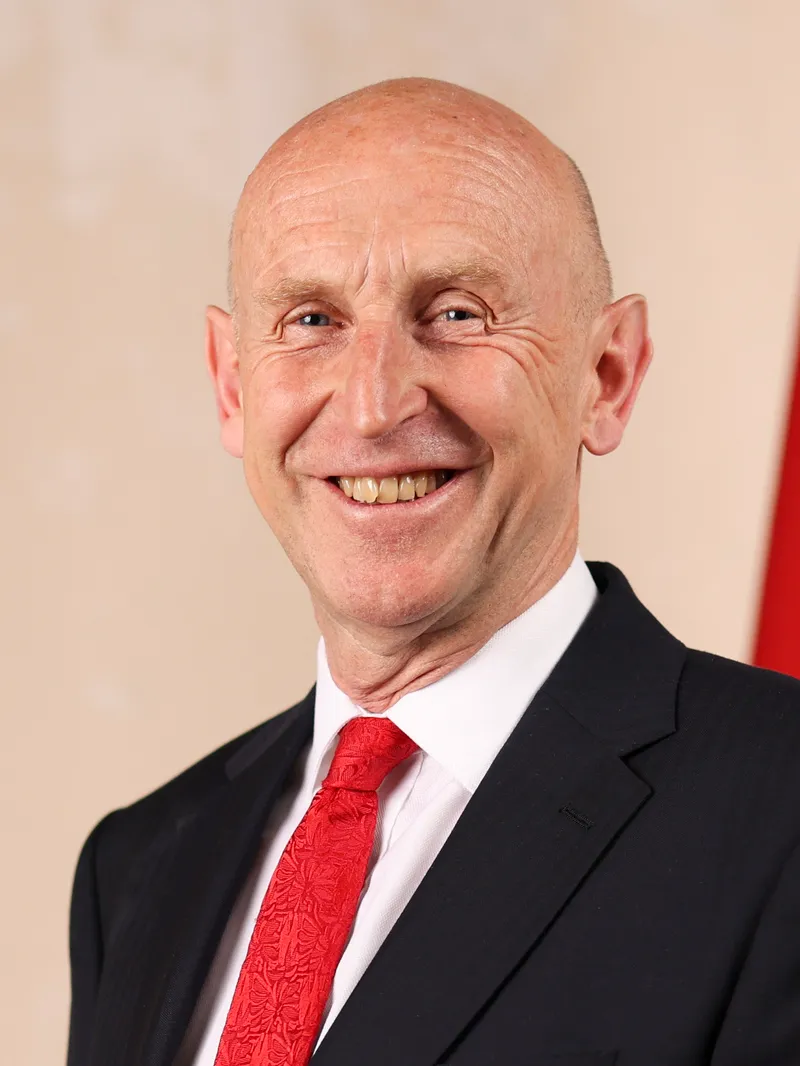
Chancellor John Healey delivered his first Budget on October 28, 2026, offering a £100 Household Energy Payment this winter and scrapping the gas standing charge, funded in part by a higher bank surcharge and income tax rises from April 2027.
Chancellor John Healey delivered his first Budget on October 28, 2026, under Prime Minister Andy Burnham, describing it as a Budget “for the working people of Britain, for British businesses, big and small”, built on fiscal discipline.
On household energy, the Budget offers a £100 Household Energy Payment this winter for council-tax bands A to D households, paid directly into bank accounts. The VAT cut on electricity is extended to July, taking £50 off the annual price cap according to one summary, the gas standing charge is scrapped from next year, and the 5p fuel-duty cut is extended to July 2027. The minimum and living wage rises by 3.9% from April 2027.
For businesses and savers, the small-business rates relief threshold rises from £12,000 to £18,000, while the bank surcharge rises from 3% to 6% for 15 months from January to help fund the energy-bill relief. Property income tax rates and savings income tax rates rise by 2 percentage points at each rate from April 6, 2027, the cash ISA limit stays at £20,000 after a planned cut was abandoned, the capital allowances first-year allowance rises from 40% to 50% from January 1, 2027 with the writing-down allowance falling from 14% to 12% from April 2027, and the Business Asset Disposal Relief lifetime limit is cut from £1 million to £500,000 from April 6, 2027.
The Office for Budget Responsibility forecasts growth of 1.2% in 2026, 1% in 2027, 1.6% in 2028, 1.8% in 2029, 1.7% in 2030 and 1.6% in 2031. Defence spending is set to reach 3% of GDP by 2030 and 3.5% by 2035 under a £298 billion Defence Investment Plan with around £10 billion of additional support for Ukraine, while artificial intelligence gets an extra £500 million for safety and security, a Sovereign AI Unit, £140 million for strategic British AI firms and a datacentre covenant.
The measures in this article were cross-checked across several detailed summaries published on the day, one of which states its figures were checked against HM Treasury documents published on GOV.UK. Where summaries conflicted on the cash figure for the minimum wage, this article reports only the 3.9% rise and no pound figure.
The measures take effect on staggered dates: the bank surcharge from January, the energy payment this winter, and most of the tax changes on April 6, 2027, so households and businesses will feel different parts of the Budget at different points in the year ahead.