
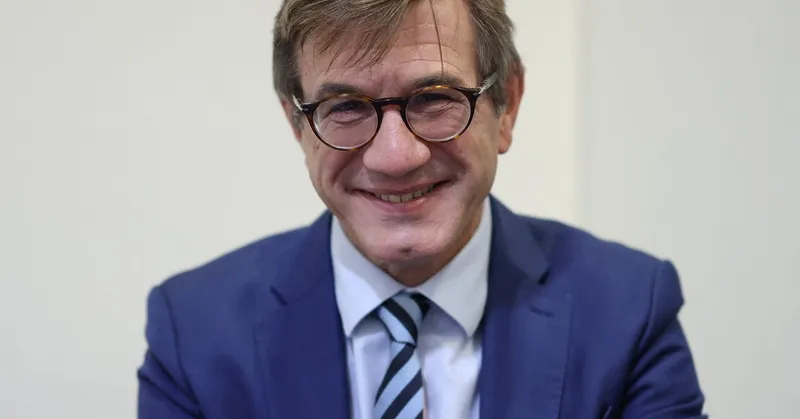
France's strategic minerals envoy Benjamin Gallezot said Western countries could reach acceptable rare earths diversification from China within three to five years if projects are accelerated.
Western nations could achieve an acceptable level of diversification in rare earths supplies away from China within three to five years, France's top envoy for strategic metals said on October 28th, 2026.
Benjamin Gallezot, Interministerial Delegate for Strategic Minerals and Metals Supply, told Reuters on the sidelines of a mining conference in Sydney that existing projects by companies such as Belgium's Solvay and France's Carester, along with efforts in Australia, the United States, Japan, Brazil and India, were advancing quickly. China currently accounts for as much as 90 percent of production of some specialised rare earth magnets used in defence, technology and renewable energy.
G7 leaders had earlier agreed to step up coordination to reduce reliance, aiming to bring dependence on any single non-partner supplier below 60 percent by 2030. Gallezot said magnet manufacturing capacity remained a potential bottleneck even as mines and refining progressed.
Reuters reported the comments directly from the envoy at the Sydney conference; the account is consistent across secondary outlets carrying the same Reuters dispatch, and no official contradiction has been issued.
The assessment offers a timeline for reducing strategic vulnerability in supply chains that have disrupted industries, including autos, when China tightened export controls. Success depends on accelerating the named projects and securing financing and permitting, with further G7 coordination expected to test progress in the coming years.
People Sentiments Public Mood: Neutral
- Gallezot expressed optimism on timeline
- Western governments seek reduced China dependence