
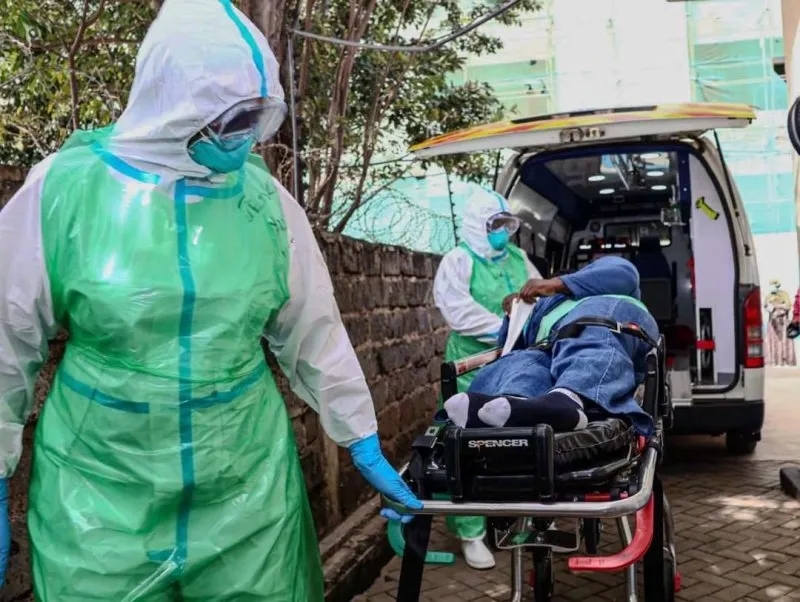
Kenya has released its first 20 contacts of its imported Bundibugyo Ebola case after they completed 21 days of monitoring without symptoms, while 98 other contacts remain in quarantine for phased release from November 3.
Kenya released its first 20 contacts of its imported Ebola case on October 26 after they completed the mandatory 21-day monitoring period in good health, the Ministry of Health said. Director-General for Health Patrick Amoth said the group had completed monitoring without developing symptoms, had received final health assessments and guidance, and was returning to families. He said they posed no risk to their families, colleagues or neighbours and urged communities to welcome them home without stigma.
The remaining 98 contacts are expected to be released in four waves beginning November 3, depending on individual health assessments. The ministry reported that the number of confirmed cases remained at nine, including two deaths, a case fatality rate of 22.2 percent, and that the seven surviving patients remained stable in treatment units under multidisciplinary teams. Genomic sequencing of three of the nine samples showed a genetic link to the first case and to the Bundibugyo virus lineage in the Democratic Republic of the Congo, with sequencing of the remaining six samples under way.
The milestone comes three weeks after Kenya confirmed its first imported case of Bundibugyo virus disease on October 6, 2026. Since then the response has included surveillance, laboratory testing, infection prevention and control, and screening at points of entry. The ministry is also providing mental health and psychosocial support through trained counsellors to people in quarantine, those returning home, patients and their families, and frontline health workers.
The release figures, the remaining-contact count, the case total and the November 3 phased-release plan are consistent across the health ministry's statement as reported by Kenyan outlets, and the ministry is the primary source for all of them. The outbreak is not over: the ministry said it could only be declared over after 42 days had elapsed since the last confirmed patient tested negative twice at least 48 hours apart and was discharged or safely buried, and Amoth cautioned that vigilance must continue until that point.
Amoth called the release a milestone and a sign that early identification, quarantine and close monitoring are working, while stressing that surveillance and infection prevention measures will continue in health facilities, communities and at points of entry. Travel, trade and public gatherings remain unrestricted. The next dated step in the response is the phased release of the remaining contacts from November 3, which will show whether further groups clear monitoring without symptoms.