
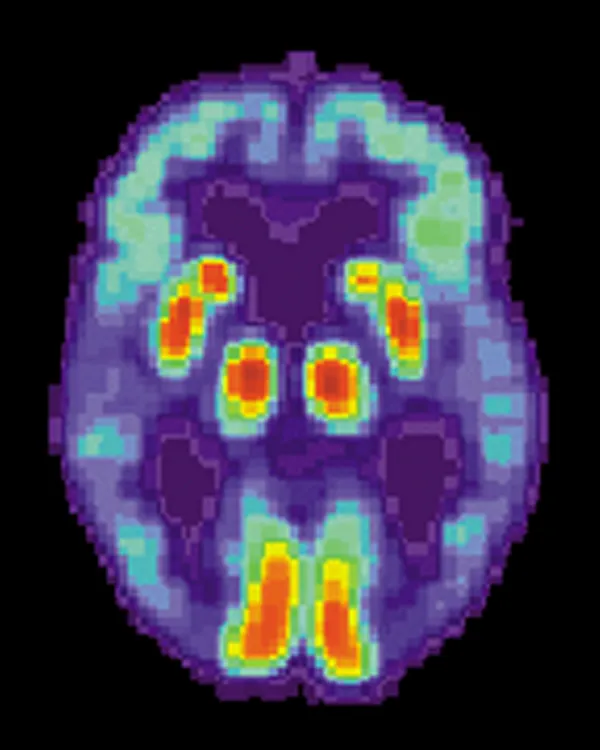
Actinogen Medical said its pivotal XanaMIA trial of oral Xanamem in Alzheimer's disease has reached database lock, narrowing guidance for final topline results to mid-November 2026 from November.
Actinogen Medical announced on October 28 that it has reached database lock in its pivotal XanaMIA trial of oral Xanamem in Alzheimer's disease, narrowing its guidance for final topline results to mid-November this year, from November previously. Database lock is the point at which the trial's data are finalised for analysis, and the company said the milestone keeps the readout on track.
XanaMIA is a randomised, double-blind, placebo-controlled phase 2b/3 trial evaluating Xanamem 10 mg against placebo over 36 weeks in 247 participants across Australia and the United States. Participants were selected by pre-screening for elevated plasma pTau181, a blood marker the company says has high validity for diagnosing Alzheimer's in this population and selects for a more progressive disease course, increasing the trial's power to detect a treatment effect.
Xanamem is an oral therapy built around brain cortisol control, a mechanism the company describes as unique and potentially transformational for patients and families living with Alzheimer's. The trial design replicates the diagnostic profile of the phase 2a population in which a large treatment benefit was observed, according to a publication cited by the company, Taylor and colleagues in 2024.
The milestone, the trial design and the timetable all come from the company's own announcement, which is the primary source for a database lock and the appropriate one for it; no independent source has yet reported the lock, and no efficacy results have been released, so nothing in this story establishes that Xanamem works. Chief executive Steven Gourlay's statement that positive results in November would establish brain cortisol control as an important and treatable part of Alzheimer's biology is the company's own expectation, not a finding.
The design choice matters because screening by blood marker is far simpler than amyloid brain scans or cerebrospinal fluid biomarkers, the company says, and a positive readout would put a cortisol-based oral treatment into a field dominated by antibody therapies and symptomatic drugs. A negative or ambiguous readout would instead leave the mechanism unproven at pivotal scale.
The dated next event is the topline result itself, due in mid-November. Until then the trial's contribution is procedural: a locked database, a fixed participant count and a narrowed window, with the clinical question still open.