
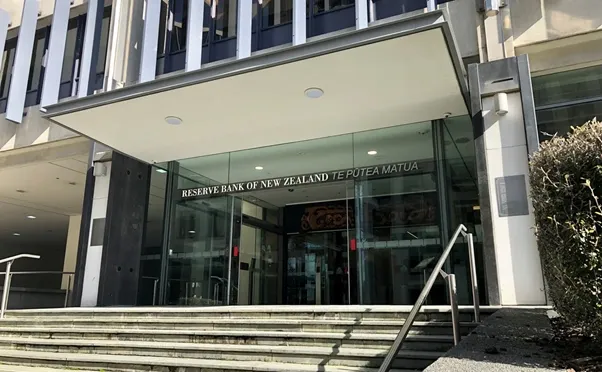
The Reserve Bank of New Zealand held its official cash rate at 2.75% on October 28, defying market expectations of a rise, with its committee split 4-3 and further increases still signalled.
The Reserve Bank of New Zealand held its official cash rate at 2.75% on Wednesday, a decision that caught financial markets off guard after traders had priced in a near-certain increase. The monetary policy committee voted 4-3 to hold, with three members preferring a rise to 3.00%.
Governor Anna Breman said the bank still expected further increases, telling reporters that it did think the cash rate would rise further because of what it was seeing in inflation. She added that the bank would probably consider another move in December, when it publishes fresh economic forecasts, and that for now it had time to assess incoming data after two earlier increases worked through the economy.
The surprise sent the New Zealand dollar down by about 1% at first, with reports putting it near 56 US cents after falling as much as 1.7% to an intraday low of about $0.5583. A Reuters poll had found 22 of 27 economists expected a 25-basis-point increase, and market pricing had put the chance of a hike at about 95%.
The bank's own statement, quoted in the reporting, puts inflation above its target range, largely because of high global fuel costs and their effects on other prices, and says the economy is recovering gradually while conditions remain uneven across regions and industries. Annual consumer price inflation was 3.7% in the September quarter, down from 4.1% in June but still above the bank's 1% to 3% target band, and the bank's outlook points to inflation of around 4.4% in the December quarter. Unemployment remains near an 11-year high, which the bank's account of the decision links to the uneven recovery.
The decision also lands ten days before New Zealand's November 7 election, and Breman said the election was not a factor in the decision. The committee's own reasoning, as reported, was timing rather than direction: four members judged it more prudent to watch how developments unfold over the next six weeks, with an eye on downside risks to global growth, while the dissenters warned that persistent price pressures could become entrenched.
What matters now is the December meeting. If inflation data and fuel prices keep pushing the bank's forecasts higher, the hold looks like a delay, and analysts cited in the coverage still expect hikes in December and into early 2027. If global growth weakens or domestic demand softens further, the pause could stretch, and the kiwi dollar's fall shows how quickly markets reprice when a central bank refuses to follow their script.