
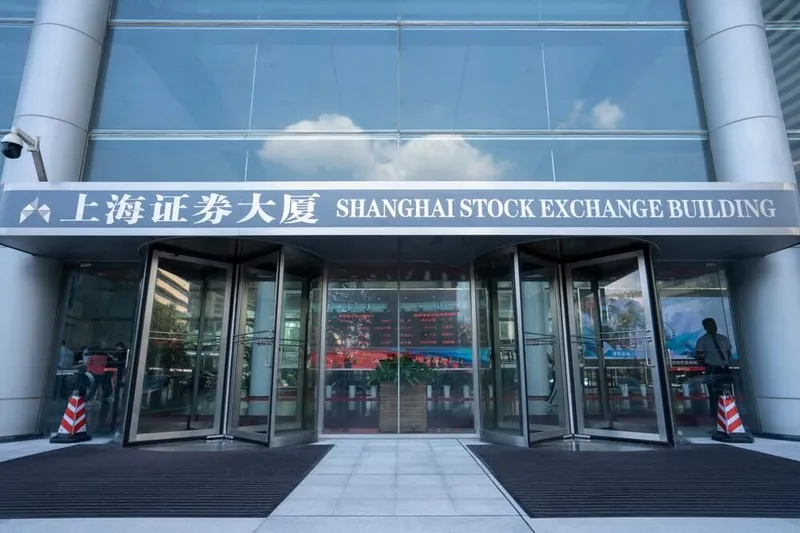
Broad-based exchange-traded funds in China drew 153.4 billion yuan in the week of October 19-23, their largest weekly inflow of 2026, as large institutional investors bought into index funds after a sharp stock-market correction.
Broad-based exchange-traded funds in China drew 153.4 billion yuan in the week of October 19-23, their largest weekly inflow of 2026, Caixin reported on Tuesday. The inflows concentrated in funds tracking the CSI 300 index and technology-focused benchmarks, in a buying pattern analysts said points to large institutional investors.
The buying followed a punishing decline in mainland shares that pushed the CSI 300 into bear-market territory, conventionally defined as a fall of at least 20% from a previous peak. Brokerages said the purchases are helping support the mainland equity market, though whether they signal a sustained recovery remains uncertain.
A narrower measure tells a similar story. Nine exchange-traded funds widely associated with China's so-called national team recorded combined net inflows of 128.7 billion yuan in the week ending October 23, the highest since nearly 140 billion yuan entered the same group during the tariff-driven turmoil 18 months earlier. The two figures measure different fund universes, so they are not contradictory: one covers all broad-based ETFs, the other a subset linked to state-backed investors.
The figures measure money entering funds favoured by official investors rather than confirmed purchases by government-controlled entities, and no public announcement has established how much of last week's inflows came directly from the state. Central Huijin Investment, a unit of sovereign wealth fund China Investment Corporation, is among the principal institutions associated with market stabilisation, and Bloomberg Intelligence estimates it has redeployed $43 billion into equities since purchases resumed in July.
The context is a market under strain for months. On Friday, October 23, Chinese stocks rebounded on ETF buying even as blue-chip shares logged a record-long weekly losing streak, Reuters reported. The state-linked buying helped pull major index names higher, but the underlying pressures on earnings and growth have not changed.
The open question is whether the inflows mark a floor or a pause. Visible state support can calm short-term trading and reduce fear of a disorderly sell-off, but it does not by itself restore earnings growth, so the next weeks of trading will show whether private money follows the national team back in.