
The Trump administration proposed dramatically scaling back Biden-era methane rules for oil and gas drilling, ending the Super Emitter Program and easing flaring and leak requirements, in a proposal announced on 27 October and reported on 28 October.
The Trump administration is proposing to dramatically scale back Biden-era rules aimed at cutting methane emissions from oil and gas drilling sites nationwide. President Trump announced the revision while campaigning in Lubbock, Texas, on Tuesday, saying it would save the industry billions in production costs and spur more domestic drilling, and NPR reported the proposal on Wednesday.
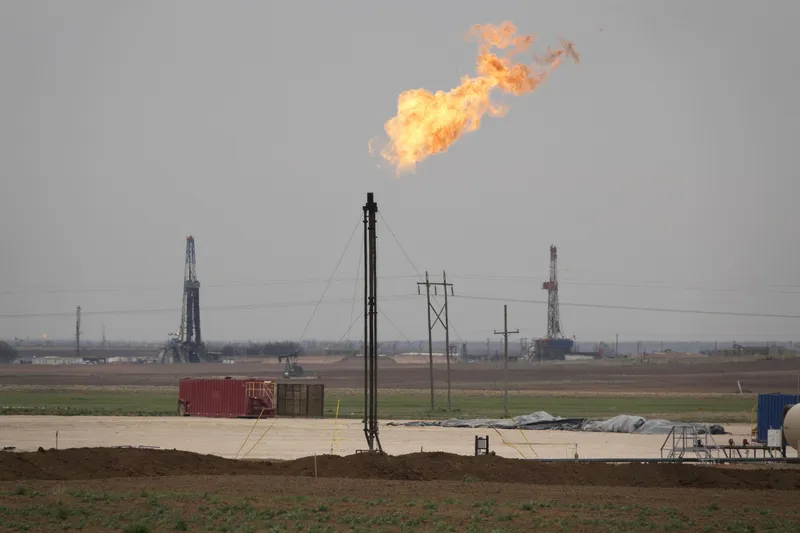
The proposal would end the Super Emitter Program, which allowed EPA-approved observers to report major leaks, and create a lighter category for low-output marginal wells. It would also ease rules on routine flaring of associated gas, on tank covers and closed vent systems, and accept flares that are 95 percent efficient for gas produced alongside oil. EPA Administrator Lee Zeldin said the Biden EPA had destructively targeted oil and gas production.
Methane is a major contributor to climate change, estimated to be about 80 times more planet-warming than carbon dioxide over a twenty-year period. The Biden administration finalized its rules in 2023 to rein in methane from the oil and gas sector, and the industry vigorously opposed them.
The shape of the proposal is confirmed by NPR's reporting and by the EPA's own proposal document, which puts the saving at $45 billion over 2027 to 2050 in present value at a 3 percent discount rate, or about $2.7 billion a year, while projecting 60 million more short tons of methane over the same period under the main option. Those two figures come from the same EPA analysis, and neither should be quoted without the other.
Reaction split along familiar lines. The American Petroleum Institute said it looked forward to a more workable approach that supports American energy production and regulatory certainty, while the Center for Western Priorities called the proposal just a license to pollute. Environmental advocates have also warned the rollback could end up costing the industry more, not less, by complicating compliance.
This is a proposal, not a final rule. Comments are due 48 days after publication in the Federal Register, with a virtual hearing about 15 days in, so the methane rules that actually govern drilling sites will be decided in the comment process and in any legal challenge that follows, not by Tuesday's announcement alone.