
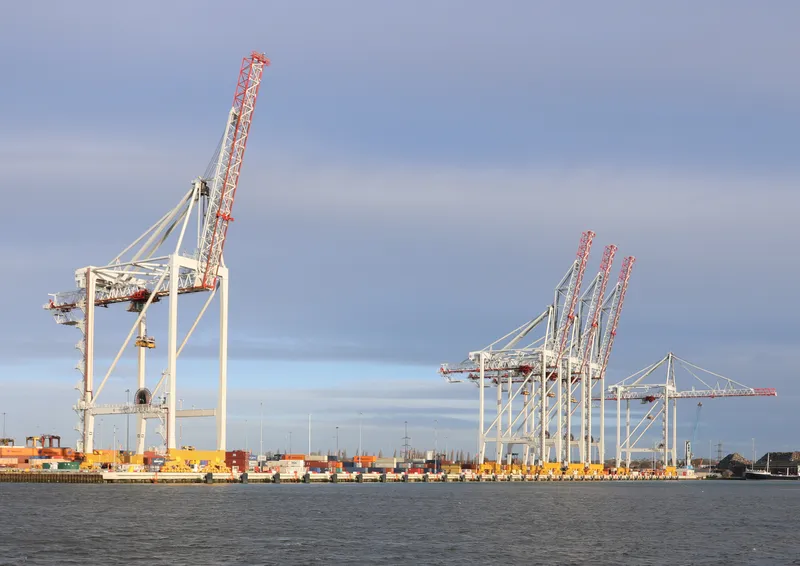
India's Union Cabinet on October 28 approved a 10,000-crore-rupee container manufacturing scheme running to 2039-40 and a 1,856.67-crore-rupee sports-goods manufacturing scheme running to 2033-34, both announced in the 2026-27 budget.
India's Union Cabinet, chaired by Prime Minister Narendra Modi, approved two manufacturing schemes on October 28: a container manufacturing programme worth 10,000 crore rupees and a sports-goods manufacturing scheme worth 1,856.67 crore rupees. Both were announced in the Union Budget for 2026-27, and the Cabinet approvals are the formal step that allows them to be implemented.
The Container Manufacturing Promotion Scheme runs to the 2039-40 financial year and aims to build a globally competitive container manufacturing industry in India, reduce import dependence and strengthen supply-chain resilience. Its reported components are 859 crore rupees in interest subvention, offering 3 percent a year on eligible term loans for new and expanding plants, 8,891 crore rupees in operational expenditure assistance for containers made to global shipping standards, and 150 crore rupees for testing and certification facilities, including dynamic longitudinal impact testing. The government estimates the scheme could lift annual domestic container capacity roughly tenfold, to 7.5 lakh twenty-foot equivalent units, and generate about 3,000 direct jobs and more than 50,000 indirect jobs.
The Khelo India Sports Goods Manufacturing Scheme runs from 2026 to 2033-34 and aims to promote investment, manufacturing, innovation and exports in sports goods. Anchor investment support and turnover-linked support together account for 1,130 crore rupees, certification support for 105 crore rupees, and the scheme also funds dedicated sports-goods manufacturing zones, developed through the BHAVYA scheme and National Industrial Corridor Development Corporation parks, where manufacturers, suppliers, testing facilities and design centres sit together. It emphasises small and medium enterprises, existing clusters, research, skill development and start-ups.
The sports-goods figures come from the Cabinet statement as reported by IANS, and the container figures are confirmed across the official statement summaries and a Reuters account of the approval, with the same outlay, duration and component figures in each. The jobs and capacity figures are government estimates reported in those accounts, not results already achieved, and the component figures for the container scheme add to 9,900 crore rupees, so this story does not claim they exhaust the 10,000-crore outlay on their own. The same Cabinet meeting also approved other items, including a dearness allowance rise, which are separate decisions and are not part of this manufacturing package.
The context is maritime disruption: the Reuters account notes that conflicts around the world have disrupted shipping routes, forced longer detours and put pressure on container availability. If the container scheme works as intended, India would make more of the boxes its exporters now largely import, easing a logistics bottleneck and giving steel, paint, timber-frame and casting suppliers a new domestic customer. The test will be whether subsidised plants can compete on price and quality once the operational assistance runs out, and whether sports-goods makers use the zones and certification support to win export orders rather than serving only the domestic market.