

German metalworkers widen strikes as IG Metall presses 5% pay demand for 3.7 million workers
Warning strikes gathered pace across Germany's metal and electrical engineering industry on November 2, with workers at Audi, Mercedes-Benz and Tata Steel joining IG Metall's push for a 5% rise, job safeguards and profit-sharing.
Story So Far
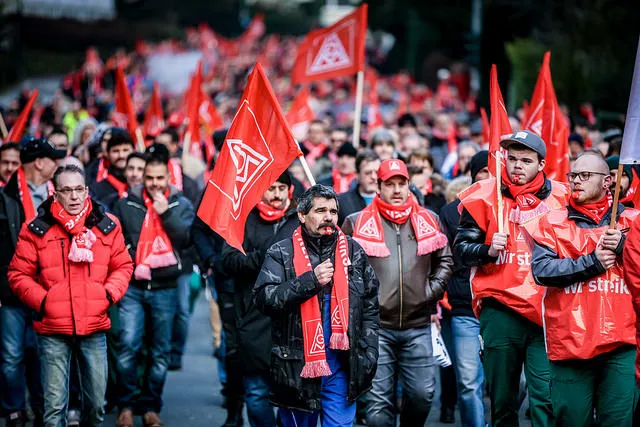
Strikes gathered pace across Germany's metal and electrical engineering industry on Monday, November 2, with workers at companies including Audi, Mercedes-Benz and Tata Steel downing tools as IG Metall stepped up pressure in a pay dispute affecting 3.7 million employees. The walkouts follow the expiry of the peace obligation on October 31, which opened the way for warning strikes.
Germany's largest industrial union is demanding a 5% wage increase from November, measures to safeguard jobs and production sites, and profit-sharing mechanisms in sectors performing strongly. Employers, in a second-round offer, have proposed a one-off payment of 1% in July 2027 and a 1.3% wage increase from July 2028, with financially troubled firms able to withhold the one-off payment. IG Metall has dismissed that offer as effectively a pay cut in real terms.
Warning strikes began from midnight on November 1 at more than 2,000 firms, with early pickets at Thyssenkrupp Rasselstein in Andernach and RF360 in Munich, and the action spread on Monday to major auto and engineering employers. The strikes are due to continue throughout the week. In the previous bargaining round in 2024, more than 100,000 workers joined strike actions on peak days.
How we know?
The demands, the employer offer and the named companies taking part are all set out in Reuters' November 2 reporting from Frankfurt, and the same figures appear in a second Reuters-based account. What has not yet been published is the scale of this week's participation: IG Metall plans to publish participation figures on Friday, so the total number of workers who have joined so far cannot yet be stated.
Original reporting
Independent corroboration
The week ahead will show whether the widening walkouts move employers beyond their second-round offer or harden into a longer dispute. With the union's figures due Friday and strikes planned through the week, the next test is whether either side shifts before the stoppages begin to bite on production at the carmakers and engineering firms at the centre of the dispute.
Keywords
Tags
- Business
- Labour
- Germany